Quick Answer for Alcohol and Gastritis: No alcoholic beverage is truly safe during active gastritis, as ethanol directly dissolves the protective gastric mucus layer and triggers acid secretion. Once the stomach lining has healed for 60–90 days, a single serving of clear spirits diluted with water or alkaline tonic is generally less irritating than high-acid wine or carbonated beer.
Navigating Social Events, Dining, and Relaxation with a Compromised Stomach
For patients managing chronic or acute gastritis, gastroesophageal reflux disease (GERD), or post-infectious dyspepsia, dietary restrictions extend far beyond daily meals. They reshape social life. Whether attending a business dinner, celebrating a wedding, or unwinding on a Friday evening, the cultural expectation to hold an alcoholic drink is persistent.
When your stomach lining is inflamed, the calculation around a single drink becomes fraught with anxiety. You may have experienced days where a small glass of Pinot Noir after a heavy meal triggered forty-eight hours of burning epigastric pain, nausea, and early satiety. Conversely, you might remember another occasion where half a light beer caused mild bloating but no severe pain. This inconsistency leads many patients to guess which drinks are "safe," cycling through white wine, hard seltzers, or neat spirits in hopes of finding a painless option.
Without an objective framework to evaluate how specific beverages interact with your stomach lining, everything begins to feel like a random trigger. Standard food diaries fail here because simply writing "had one drink, felt terrible the next morning" does not isolate the physiological variables at play. Was the flare caused by the ethanol concentration itself, the pH of the mixer, the dissolved carbon dioxide, the non-alcoholic fermentation congeners, or the high-fat appetizer consumed alongside the drink?
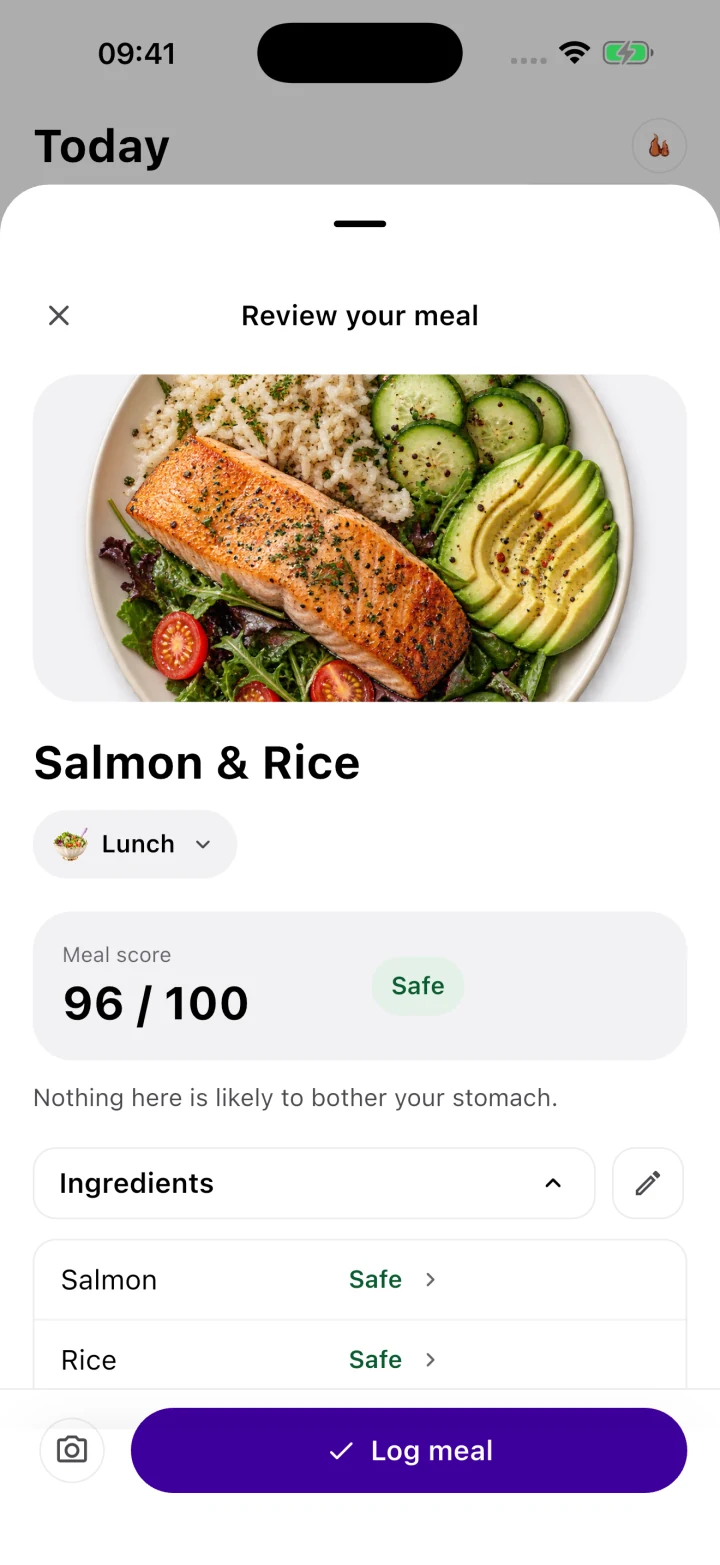
At Gutrack, we evaluate every food and beverage through the Gastric Safety Index (GSI)—a proprietary 0 to 100 clinical scoring algorithm designed to quantify the mechanical, chemical, and biochemical load a substance places on the upper gastrointestinal tract. On the GSI scale:
- 70–100 (Safe Zone): Gentle on the stomach lining, neutral or slightly alkaline pH, low osmolality, promotes steady gastric emptying, and supports mucosal integrity.
- 40–69 (Caution Zone): Moderate digestive load; tolerable in small portions during symptom remission, but capable of causing irritation if stacked with other triggers.
- 0–39 (High Risk Zone): Direct chemical irritants, extreme acidity, high lipid content, or mechanical distenders that compromise the mucosal barrier and provoke acute flares.
When evaluated through the GSI algorithm, the clinical reality is unambiguous: no alcoholic beverage scores in the Safe Zone. Ethanol is a small, amphiphilic molecule—both water- and lipid-soluble—that acts as a direct chemical solvent against the protective lining of the stomach. However, the mechanisms of injury vary dramatically between a 40% ABV bourbon, a 13% ABV Sauvignon Blanc, and a 5% ABV craft lager.
Understanding the exact pathophysiology of ethanol, fermentation acids, and gastric motility allows you to protect your stomach during the critical mucosal healing window, navigate social events with high-GSI non-alcoholic alternatives, and—once histological remission is confirmed—make informed, data-driven decisions if you choose to reintroduce an occasional drink.
The Direct Pathophysiology of Ethanol on the Gastric Mucosa
To understand why alcohol triggers immediate epigastric burning and delayed indigestion, we must examine the microscopic architecture of the stomach wall. A healthy stomach is capable of containing hydrochloric acid (HCl) at a pH of 1.5 to 2.0—strong enough to corrode metal—without digesting itself. It achieves this through a sophisticated, multi-layered defense system known as the gastric mucosal barrier.
1. Solubilization of the Phospholipid and Mucin Layer
The first line of defense is the pre-epithelial mucus-bicarbonate barrier. Foveolar (surface mucous) cells continuously secrete an insoluble gel composed of high-molecular-weight glycoproteins called mucins (specifically MUC5AC and MUC6), interwoven with surface-active phospholipids. This gel traps bicarbonate ions ($\text{HCO}_3^-$) secreted by the underlying epithelial cells.
While the lumen of the stomach may sit at a highly acidic pH of 1.5, the trapped bicarbonate creates a neutralized microclimate directly against the cell surface, maintaining a safe pH between 6.0 and 7.0. Furthermore, the phospholipid layer makes the mucosal surface hydrophobic (water-repellent), preventing water-soluble hydrogen ions ($\text{H}^+$) and the proteolytic enzyme pepsin from diffusing backward into the delicate tissue.
Ethanol dismantling of this barrier begins upon contact. Because ethanol possesses both hydrophilic and lipophilic properties, it acts as a detergent. At concentrations starting as low as 4% to 5% volume/volume (v/v), ethanol begins to disrupt the hydrophobic phospholipid lining. As concentrations rise above 10% v/v, ethanol rapidly precipitates and depolymerizes the mucin glycoproteins. The viscous mucus gel breaks down into a watery, permeable fluid.
2. Suppression of Bicarbonate and Prostaglandin Synthesis
Simultaneously, ethanol inhibits the cellular machinery responsible for maintaining the alkaline buffer. It impairs the carbonic anhydrase enzymes and ion transporters within the surface epithelial cells, sharply reducing bicarbonate secretion.
In a healthy stomach, minor chemical irritation stimulates the local production of endogenous prostaglandins—specifically prostaglandin E2 ($\text{PGE}_2$) and prostacyclin ($\text{PGI}_2$)—via the cyclooxygenase (COX-1 and COX-2) pathways. $\text{PGE}_2$ is the master regulator of gastric cytoprotection: it inhibits parietal cell acid output, stimulates mucus and bicarbonate secretion, and dilates submucosal blood vessels to sweep away diffusing acid.
While very mild irritants can trigger an adaptive surge in $\text{PGE}_2$, moderate-to-high concentrations of ethanol overwhelm and suppress prostaglandin synthase activity. Worse, ethanol stimulates the 5-lipoxygenase pathway, generating leukotriene C4 ($\text{LTC}_4$)—a potent inflammatory mediator that has the exact opposite effect of prostaglandins.
3. Acid Back-Diffusion and Pepsin Activation
Once the mucus-bicarbonate barrier is dissolved, luminal hydrochloric acid surges backward into the unprotected epithelial cells—a process termed acid back-diffusion. As intracellular pH plummets, cellular metabolism fails, and the tight junctions (zona occludens) binding adjacent epithelial cells together fracture.
This drop in surface pH also triggers a secondary proteolytic assault. Parietal cells and chief cells secrete pepsinogen, an inactive enzyme precursor. When luminal pH is below 4.0, pepsinogen is cleaved into active pepsin, which reaches peak proteolytic activity between pH 1.5 and 2.5. Under normal conditions, pepsin cannot penetrate the alkaline mucus gel because a pH above 5.0 deactivates it. When ethanol strips the mucus layer and drops the juxta-mucosal pH below 4.0, active pepsin directly digests the structural proteins and collagen of your stomach wall.
4. Submucosal Microvascular Injury and Ischemia
When gastroenterologists perform an upper endoscopy (esophagogastroduodenoscopy, or EGD) on a patient with alcohol-induced acute gastritis, the hallmark finding is subepithelial hemorrhage and erythematous (red, inflamed) streaks, primarily in the gastric antrum and body.
This bleeding is not caused by surface erosion alone; it is the result of deep microvascular injury. Ethanol rapidly penetrates the damaged epithelium to reach the lamina propria, where it triggers degranulation of mast cells and release of histamine, endothelin-1, and $\text{LTC}_4$. These mediators cause intense constriction of the small collecting venules while dilating precapillary arterioles.
The result is severe vascular congestion, stasis of blood flow, and increased microvascular permeability. Plasma leaks out of the capillaries into the surrounding tissue (mucosal edema), and red blood cells extravasate into the interstitium. Deprived of oxygen and nutrient flow, the overlying epithelial cells undergo ischemic necrosis and slough off, forming microscopic erosions or frank ulcers.
5. Lower Esophageal Sphincter (LES) Relaxation and Motility Disruption
Beyond the stomach lining itself, ethanol alters neuromuscular signaling throughout the upper gastrointestinal tract. Alcohol reduces the resting basal pressure of the lower esophageal sphincter (LES)—the muscular ring separating the esophagus from the stomach—by interfering with nitric oxide and vagal nerve pathways. It also increases the frequency of transient lower esophageal sphincter relaxations (TLESRs), allowing highly acidic, pepsin-laden gastric contents to reflux into the unprotected squamous epithelium of the esophagus.
Furthermore, alcohol exerts a biphasic effect on gastric emptying:
- Low-proof fermented beverages (beer and wine) often exert a modest stimulant effect or remain neutral on liquid emptying, depending on caloric density.
- High-proof beverages (>15% ABV) and hyperosmolar cocktail mixers inhibit the interstitial cells of Cajal (the stomach's pacemaker cells) and suppress antral peristaltic contractions. This delays gastric emptying (gastroparesis-like stasis), keeping acid, alcohol, and food trapped in the stomach for hours longer than normal.
Beverage-by-Beverage Clinical Breakdown: Spirits vs. Wine vs. Beer
Patients frequently ask whether switching from one category of alcohol to another will spare their stomach lining. In clinical practice, each category of alcoholic beverage presents a distinct biochemical profile, attacking the mucosa through different primary mechanisms.
High-Proof Spirits (Vodka, Gin, Whiskey, Tequila, Rum)
- Typical ABV: 40% to 50% (80 to 100 proof)
- Primary Mechanism of Injury: Direct hyperosmolar cytotoxicity and rapid mucosal necrosis.
There is a widespread clinical observation that pure ethanol solutions behave differently than fermented beverages regarding stomach acid secretion. Paradoxically, pure ethanol at concentrations above 20% to 40% does not stimulate gastrin release and does not significantly increase parietal cell hydrochloric acid output. In fact, very high concentrations of pure ethanol can temporarily reduce acid secretion by damaging the parietal cells directly.
However, this lack of acid stimulation does not make neat spirits safe. At 40% ABV, a spirit is a hyperosmolar chemical solvent. Within 3 to 5 minutes of hitting an empty stomach, 40% ethanol causes widespread exfoliation of surface mucous cells, severe submucosal edema, and microvascular hemorrhage.
Furthermore, aged dark spirits—such as bourbon, Scotch whisky, dark rum, and anejo tequila—contain high levels of congeners. These are biologically active compounds produced during fermentation and oak barrel aging, including fusel alcohols, acetaldehyde, tannins, furfural, and methanol. Congeners amplify oxidative stress within the gastric epithelium, generating reactive oxygen species (ROS) and depleting intracellular glutathione, a critical antioxidant that protects the stomach lining.
The Dilution Factor: If a patient in complete remission consumes a clear, triple-distilled spirit (like vodka or gin, which are virtually free of congeners) diluted heavily with still water or ice to bring the final ethanol concentration below 5% to 8% ABV, the direct cytotoxic burn is significantly reduced, and the beverage avoids the gastrin-stimulating acids found in wine and beer. Even then, it remains in the High Risk to low Caution zone on the GSI.
Wine (Red, White, Rosé, Champagne/Sparkling)
- Typical ABV: 11.5% to 15%
- Primary Mechanism of Injury: Potent gastrin stimulation, high titratable acidity, and immediate pepsin activation.
For patients with gastritis or GERD, wine is frequently the most aggressive trigger of acute symptoms. While its ethanol content (12–15%) is high enough to compromise the mucus layer and increase epithelial permeability, wine delivers a secondary biochemical blow: extreme acidity and non-alcoholic acid secretagogues.
Wine has a low pH, typically ranging from 3.0 to 3.4 for white wines and 3.3 to 3.8 for red wines. More importantly, wine possesses high titratable acidity—a measure of the total concentration of available hydrogen ions bound to organic acids such as tartaric, malic, citric, and lactic acid. Because of this high buffering capacity, wine resists neutralization by salivary bicarbonate or food proteins.
When wine enters the esophagus and stomach:
- Pepsin Reactivation: Any dormant pepsin adhering to the esophageal or gastric tissue is immediately reactivated because the wine drops the local pH well below the 4.0 activation threshold.
- Massive Gastrin Surge: Landmark gastroenterology studies comparing alcoholic beverages against pure ethanol of the same concentration demonstrated that wine stimulates 5 to 6 times more gastric acid secretion than pure 13% ethanol. Wine triggers G-cells in the gastric antrum to release large amounts of the hormone gastrin, which binds to enterochromaffin-like (ECL) cells to release histamine, driving parietal cells to pump out hydrochloric acid at near-maximal capacity.
- White vs. Red Wine: Patients often assume white wine is gentler than red wine because it lacks dark pigments. Clinically, the opposite is often true for reflux and acid-predominant gastritis. White wine typically has a lower pH and higher titratable acidity than red wine, and human manometry studies show white wine induces more frequent LES relaxations and prolonged esophageal acid exposure than red wine. Conversely, red wine is rich in tannins (polyphenolic compounds from grape skins, seeds, and oak) and biogenic amines like histamine and tyramine. While resveratrol and polyphenols have theoretical antioxidant properties in healthy tissue, high concentrations of tannins on an already eroded mucosa act as astringents, precipitating remaining mucin proteins and triggering localized histamine-mediated inflammation.
- Sparkling Wine (Champagne, Prosecco): Combines the lowest pH (often 2.9 to 3.2), 12% ethanol, and high-pressure carbonation, making it one of the lowest-scoring beverages on the entire Gastric Safety Index.
Beer, Ciders, and Hard Seltzers
- Typical ABV: 4% to 8%
- Primary Mechanism of Injury: Dicarboxylic acid hyper-secretion, mechanical gastric distension via carbonation, and fermentable carbohydrate bloating.
Because light beer has a lower ethanol concentration (4–5% ABV) and a slightly higher pH (typically 4.0 to 4.5) than wine, patients often mistake it for a mild option. However, beer is arguably the most potent physiological stimulant of stomach acid known in clinical nutrition.
Research isolating the chemical components of fermented grains revealed that beer stimulates gastric acid output equivalent to the maximal acid output (MAO) achieved by injecting pentagastrin during diagnostic acid-secretion testing. This extreme acid surge is not caused by the alcohol itself; in fact, dealcoholized (non-alcoholic) beer stimulates almost the exact same volume of stomach acid as regular beer.
The culprits are non-volatile organic acids produced by yeast (Saccharomyces cerevisiae) during the fermentation of malted barley—specifically succinic acid and maleic acid. These dicarboxylic acids act directly on the gastric mucosa and G-cells to trigger a massive, sustained release of gastrin and hydrochloric acid.
Simultaneously, beer introduces three mechanical and digestive stressors:
- Carbonation ($\text{CO}_2$): Dissolved carbon dioxide rapidly comes out of solution at body temperature (37°C / 98.6°F), expanding gas volume in the upper stomach (fundus). This mechanical stretching activates stretch receptors in the gastric wall, triggering vagally mediated transient lower esophageal sphincter relaxations (TLESRs) and forcing acid upward into the esophagus.
- Fermentable Oligosaccharides: Unfermented grain carbohydrates and residual yeast undergo rapid fermentation by upper-gut bacteria, increasing intraluminal pressure, belching, and visceral hypersensitivity.
- Hops and Bitterness: While bitter hop acids (humulones) are sometimes marketed as digestive bitters, in a patient with active gastritis, stimulating extra digestive secretions (acid, bile, and pancreatic enzymes) onto an unshielded mucosa intensifies epigastric pain.
What about Hard Seltzers? Hard seltzers typically contain 4.5% to 5% ABV derived from fermented cane sugar or malted rice, combined with carbonated water and citric acid flavoring. While they contain fewer grain oligosaccharides than beer, they still combine ethanol, aggressive carbonation, and citric acid (which lowers beverage pH to 3.0–3.5 to preserve shelf life), placing them firmly in the High-Risk GSI zone.
Interactions with Gastritis Medications and H. pylori Therapy
If you are currently undergoing medical treatment for gastritis, peptic ulcer disease, or GERD, consuming alcohol introduces acute pharmacological conflicts that go beyond direct mucosal irritation.
1. Proton Pump Inhibitors (PPIs) and H2 Blockers
Many patients take a daily PPI (such as omeprazole, pantoprazole, or esomeprazole) or an H2-receptor antagonist (famotidine) and assume the medication acts as a "shield" that allows them to drink safely. This is a dangerous misconception.
PPIs work by irreversibly blocking the $\text{H}^+/\text{K}^+$ ATPase enzyme (the proton pump) in gastric parietal cells, effectively raising intragastric pH above 4.0 to prevent acid burn and deactivate pepsin. However, PPIs do nothing to stop ethanol from dissolving the mucus-phospholipid barrier or causing submucosal microvascular hemorrhage. If you drink a glass of whiskey or wine while on omeprazole, the alcohol will still strip away your surface epithelial cells and trigger localized vascular ischemia. You may experience slightly less acid-related heartburn in the moment, masking the ongoing silent structural damage to your stomach lining.
Furthermore, because wine and beer aggressively stimulate gastrin and histamine release, they work directly against your medication, activating dormant proton pumps and causing breakthrough nocturnal acid reflux.
2. Helicobacter pylori Eradication Therapy
If your gastritis is driven by an H. pylori infection, your gastroenterologist will prescribe a 10- to 14-day course of triple or quadruple therapy. These regimens almost universally include metronidazole (Flagyl) or tinidazole alongside other antibiotics (clarithromycin, amoxicillin, or tetracycline), bismuth subsalicylate, and a high-dose PPI.
Consuming even trace amounts of alcohol while taking metronidazole or tinidazole triggers a severe disulfiram-like reaction. These antibiotics inhibit the liver enzyme acetaldehyde dehydrogenase (ALDH2), which is responsible for breaking down acetaldehyde—the toxic byproduct of ethanol metabolism—into harmless acetic acid. Within 15 to 30 minutes of drinking alcohol on metronidazole, toxic levels of acetaldehyde accumulate in the bloodstream, causing violent retching and vomiting, severe abdominal cramping, flushing, tachycardia (rapid heart rate), and a dangerous drop in blood pressure. Alcohol must be strictly avoided during antibiotic therapy and for at least 72 hours after finishing the final dose.
3. Sucralfate (Carafate) and Alginates
Mucosal protectants like sucralfate work by binding electrostatically to positively charged proteins in eroded ulcer bases, forming a viscous physical paste over damaged tissue. Ethanol disrupts the polymerization of sucralfate and washes away sodium alginate rafts, rendering these protective barrier therapies ineffective.
The Mucosal Healing Window: Why 60 to 90 Days of Abstinence is Required
One of the most common frustrations we hear from patients using Gutrack is the cycle of premature reintroduction. A patient follows a strict, high-GSI anti-inflammatory diet for two weeks; their daily epigastric burning, bloating, and nausea subside completely. Believing their stomach is healed, they celebrate with two glasses of wine on Saturday night—and wake up Sunday morning back at square one, facing weeks of severe pain.
This happens because symptom resolution is not the same as histological resolution.
Surface Epithelial Restitution vs. Deep Architectural Remodeling
The gastrointestinal tract has one of the fastest cellular turnover rates in the human body, but healing occurs in distinct biological phases:
- Phase 1: Surface Restitution (24 to 72 Hours): Following a minor superficial chemical injury, healthy mucous cells sitting at the edges of the gastric pits migrate rapidly across the denuded basement membrane to seal the gap. Within 3 to 7 days, the immediate surface epithelium is resurfaced. At this stage, nerve endings are covered, and acute burning pain often disappears.
- Phase 2: Glandular and Microvascular Regeneration (2 to 6 Weeks): Beneath the surface epithelium lies the lamina propria, containing the complex gastric glands (parietal, chief, and neuroendocrine cells) and the submucosal capillary network. In chronic gastritis, this layer is heavily infiltrated with chronic inflammatory cells—lymphocytes, plasma cells, and macrophages—producing pro-inflammatory cytokines like interleukin-8 ($\text{IL-8}$) and tumor necrosis factor-alpha ($\text{TNF-}\alpha$). Clearing this cellular infiltrate and rebuilding normal capillary blood flow takes weeks.
- Phase 3: Maturation of the Mucus-Bicarbonate Barrier and Collagens (60 to 90 Days): Even after new epithelial cells are in place, they are initially immature. Regenerating foveolar cells produce thinner, less cross-linked mucin glycoproteins and lower concentrations of surface phospholipids. Additionally, the extracellular matrix beneath the mucosa initially lays down disorganized Type III collagen, which must slowly remodel into strong, resilient Type I collagen.
Until this 60-to-90-day remodeling phase is complete, the neomucosa (new lining) is fragile and hyper-permeable. Exposing immature foveolar cells to 12% ethanol or pH 3.2 wine before the 90-day mark immediately strips the thin new mucus layer, ruptures the fragile newly formed capillaries, and re-ignites the cytokine cascade.
For patients recovering from moderate-to-severe erosive gastritis, peptic ulcers, or post-H. pylori gastritis, committing to a full 60 to 90 days of zero ethanol is the single most reliable way to break the cycle of chronic relapse.
The GSI Beverage Matrix: Alcoholic Drinks vs. Calming Mocktails
To give you an objective clinical reference, the table below compares common alcoholic beverages against formulated, mucosa-safe mocktails using the Gastric Safety Index (GSI) 0–100 algorithm.
Notice how every alcoholic drink falls into the High Risk zone (0–39), whereas strategic non-alcoholic alternatives sit high in the Safe zone (70–100) by eliminating ethanol, neutralizing pH, removing carbonation, and incorporating mucoprotective botanicals.
| Beverage / Drink | GSI Score (0–100) | GSI Zone | pH & Ethanol Profile | Physiological Mechanism & Mucosal Impact |
|---|---|---|---|---|
| Sparkling Wine (Champagne / Prosecco, 150 mL) | 12 / 100 | High Risk | pH 2.9–3.2 | 12% ABV | Triple mucosal insult: high titratable tartaric acid reactivates pepsin immediately; ethanol disrupts tight junctions; rapid CO2 expansion stretches the gastric fundus, triggering immediate TLESRs and acid reflux. |
| Margarita / Sour Citrus Cocktail (180 mL) | 14 / 100 | High Risk | pH 2.4–2.8 | 15–20% ABV | Extreme citric acid load combined with hyperosmolar simple syrup and tequila congeners. Delays gastric emptying while flooding the antrum with unbuffered hydrogen ions and dissolving surface phospholipids. |
| Dry White Wine (Sauvignon Blanc / Pinot Grigio, 150 mL) | 18 / 100 | High Risk | pH 3.0–3.3 | 12.5% ABV | High levels of malic and tartaric acid stimulate robust G-cell gastrin release. Clinical studies confirm white wine reduces resting LES tone and causes greater esophageal acid exposure than red wine. |
| Red Wine (Cabernet / Pinot Noir, 150 mL) | 20 / 100 | High Risk | pH 3.4–3.8 | 13.5–15% ABV | Stimulates 5–6x more parietal acid output than pure ethanol. Astringent tannins precipitate protective mucin glycoproteins, while fermentation histamines and tyramines trigger submucosal mast cell degranulation. |
| Craft IPA / Standard Lager Beer (355 mL) | 22 / 100 | High Risk | pH 4.0–4.4 | 5–7% ABV | Contains succinic and maleic fermentation acids that trigger near-maximal gastric acid output. Carbonation and fermentable grain oligosaccharides cause mechanical distension, belching, and visceral pain. |
| Neat Dark Spirits (Bourbon / Scotch / Rum, 45 mL) | 24 / 100 | High Risk | pH 4.0–4.5 | 40–50% ABV | Direct hyperosmolar solvent injury. 40%+ ethanol causes rapid exfoliation of surface epithelial cells, submucosal venule constriction, and capillary hemorrhage within minutes. High oak-aging congeners increase oxidative stress. |
| Hard Seltzer (Canned Citrus/Berry, 355 mL) | 26 / 100 | High Risk | pH 3.0–3.5 | 4.5–5% ABV | Lower congener load than beer, but relies on citric acid and sodium citrate for flavoring and preservation, dropping pH below the pepsin activation threshold while carbonation drives reflux. |
| Non-Alcoholic (0.0% ABV) Dealcoholized Beer (355 mL) | 35 / 100 | High Risk | pH 4.1–4.5 | 0.0% ABV | A common clinical trap. Although ethanol is removed, it retains succinic/maleic fermentation acids and carbonation, still triggering a massive gastrin surge and fundic distension. |
| Diluted Clear Spirit (30 mL Vodka + 150 mL Still Water) | 38 / 100 | High Risk (Upper) | pH 6.0–6.5 | ~5.5% ABV | The least irritating alcoholic option for healed stomachs in remission. Distillation removes congeners and succinic/tartaric acids (minimizing gastrin surge), while 1:5 water dilution prevents direct hyperosmolar necrosis. |
| Cucumber, Fresh Basil & Aloe Vera Still Cooler (240 mL) | 88 / 100 | Safe | pH 6.2–6.8 | 0% ABV | Isotonic hydration with neutral pH that keeps pepsin inactive. Aloe vera inner-fillet polysaccharides adhere to the mucus layer, while basil provides rosmarinic acid to calm mucosal inflammation without relaxing the LES (unlike peppermint). |
| Warm Ginger Root & Chamomile Infusion (240 mL) | 92 / 100 | Safe | pH 6.5–7.0 | 0% ABV | Gingerols and shogaols act as mild prokinetics, accelerating antral contractions and gastric emptying without stimulating acid. Chamomile apigenin reduces local COX-2 inflammation and relaxes gastric smooth muscle spasms. |
| Pure Tender Coconut Water with Chamomile Ice (240 mL) | 94 / 100 | Safe | pH 5.2–5.8 | 0% ABV | Rich in natural potassium, magnesium, and bicarbonate precursors that buffer luminal acidity and support cellular hydration without high-fructose osmolality or citric acid additives. |
The "Non-Alcoholic" Beverage Trap
As the sober-curious movement has grown, restaurants and bars now stock extensive menus of 0.0% ABV beers, dealcoholized wines, and botanical spirit alternatives. While removing ethanol eliminates the direct chemical solvent effect, many non-alcoholic adult beverages remain severe gastritis triggers:
- 0.0% ABV Beers & Hop Waters: As noted in our physiological breakdown, dealcoholized beer retains the exact same succinic and maleic fermentation acids as regular beer, driving parietal cell acid production just as aggressively, alongside full carbonation.
- Dealcoholized Wines: Removing ethanol via vacuum distillation or reverse osmosis leaves behind concentrated tartaric and malic acids (pH 3.1–3.5) and astringent tannins.
- Botanical Non-Alcoholic Spirits: To mimic the "burn" or "bite" of alcohol on the palate, many commercial zero-proof spirits infuse capsaicin (chili pepper extract), black peppercorn (piperine), heavy citrus acids, or concentrated peppermint oil. Capsaicin activates TRPV1 pain receptors directly in your inflamed gastric mucosa, while peppermint oil is a smooth-muscle relaxant that drops LES pressure and provokes severe acid reflux.
Formulating High-GSI Calming Mocktails for Social Events
When dining out or attending an event during your 60-to-90-day healing window, you can order or prepare beverages that look sophisticated in a cocktail glass while actively protecting your gastric lining:
- The Still Botanical Cooler (GSI 88): Muddle fresh cucumber slices and sweet basil leaves (avoid mint/peppermint if you have GERD) in a rocks glass with ice, and top with still spring water and a splash of pure, citric-acid-free aloe vera juice or pear nectar.
- The Iced Chamomile-Honey Collins (GSI 90): Brew strong Roman chamomile tea, chill over ice in a highball glass, and stir in half a teaspoon of raw Manuka honey. Manuka honey exhibits mild antibacterial activity and provides a soothing demulcent coating over the esophagus and gastric cardia.
- The Ginger-Coconut Spritz—Flat (GSI 94): Combine 6 ounces of pure, unflavored coconut water (check the label to ensure no added ascorbic or citric acid) with 2 ounces of fresh steeped ginger root tea over a large ice sphere, garnished with a rosemary sprig.
Reintroduction Guidelines and Flare Mitigation Protocol
Once you have completed a 60 to 90-day mucosal healing window, achieved consistent symptom remission, and verified through your daily tracking that your baseline diet is stable in the 75+ GSI zone, you may wish to test your tolerance for an occasional alcoholic drink at a special event.
Reintroducing alcohol after gastritis requires strict adherence to physiological guardrails. If you treat reintroduction casually—having two glasses of wine on an empty stomach before dinner—you will likely trigger an immediate relapse. Follow this five-step clinical mitigation protocol:
1. Never Drink on an Empty Stomach: The Beta-Glucan & Protein Buffer
Ingesting alcohol into an empty, fasted stomach allows ethanol direct, unbuffered contact with the foveolar epithelium, maximizing blood alcohol absorption and tissue necrosis.
Thirty to forty-five minutes before taking a sip of alcohol, consume a structured mucoprotective food buffer scoring 80+ on the GSI:
- Soluble Fiber Colloids: A small bowl of rolled oatmeal or congee, or a serving of steamed root vegetables (carrots, parsnips, Japanese sweet potato). Oats are rich in beta-glucans, which dissolve in water to form a viscous, mucilaginous hydrocolloid gel. This dietary gel physically coats the stomach wall, reinforcing your natural mucin layer and slowing the diffusion of ethanol toward the epithelial cells.
- Lean Proteins: Pair the soluble fiber with 3 to 4 ounces of lean, low-fat protein such as poached chicken breast, steamed white fish (cod, halibut), or firm tofu. Amino acids (particularly L-glutamine) act as natural amphoteric buffers that bind free hydrogen ions in the stomach lumen, temporarily raising intragastric pH.
- Avoid the High-Fat Trap: Popular folklore suggests eating a greasy meal or drinking olive oil before drinking alcohol to "coat the stomach." Clinically, high dietary fat stimulates duodenal I-cells to release cholecystokinin (CCK). CCK profoundly delays gastric emptying and relaxes the lower esophageal sphincter. Combining high fat with alcohol traps the ethanol and stomach acid in your stomach for hours, virtually guaranteeing severe nocturnal reflux and gastritis pain.
2. Choose the Highest-GSI Alcoholic Format
When testing your tolerance for the first time, bypass beer, wine, champagne, and sugary/citrus cocktails entirely.
- Select: 1 ounce (30 mL) of a high-quality, multiple-distilled clear spirit (vodka or gin) or a smooth silver 100% blue agave tequila.
- Dilute: Mix at a minimum 1:4 or 1:5 ratio with still water, coconut water, or decaffeinated herbal tea over plenty of ice. Bringing the final ethanol concentration down to ~5% ABV eliminates the hyperosmolar burn while avoiding the succinic, maleic, and tartaric acids of beer and wine.
3. Enforce the 1:2 Hydration Ratio and the 1-Drink Ceiling
Limit reintroduction to a maximum of one standard drink
Self-tracking tool, not clinical diagnosis
Gutrack provides evidence-based Gastric Safety Index estimates for daily self-management and diet optimization. It does not replace medical consultation, endoscopy, or treatment prescribed by a qualified gastroenterologist.
Frequently asked questions
What alcohol is least irritating to gastritis?
For patients in clinical remission, pure distilled clear spirits like vodka or gin diluted at a 1:4 ratio with still water or non-citrus herbal infusions are least irritating, scoring 38 on the Gastric Safety Index (GSI). Unlike wine or beer, distilled spirits lack succinic and maleic fermentation byproducts that drive excess gastrin release, though they must never be consumed neat (>20% ABV) due to direct tissue necrosis.
Can one glass of wine cause a gastritis flare-up?
Yes, a single 5-ounce (150 mL) glass of wine can trigger an immediate gastritis flare-up. Wine combines 12–15% ethanol with high titratable acidity (pH 3.0–3.8) and organic acids like tartaric and malic acid, which immediately reactivate tissue-bound pepsin and strip the protective mucin-bicarbonate barrier.
How long should you avoid alcohol to heal gastritis completely?
Clinical gastroenterology protocols require complete abstinence from alcohol for 60 to 90 days to achieve full histological healing of the gastric mucosa. While surface epithelial cells regenerate every 3 to 7 days, deeper microvascular architecture and normal prostaglandin synthesis require up to three months of uninterrupted recovery.
Why does beer cause severe acid reflux and bloating?
Beer scores a High-Risk 22 on the GSI because it combines dissolved carbon dioxide gas with potent non-alcoholic fermentation byproducts like succinic and maleic acid. The carbonation physically distends the stomach fundus to trigger transient lower esophageal sphincter relaxations (TLESRs), while the fermentation acids stimulate up to 90% of the stomach's maximal acid output.
Clinical Evidence & Scientific References
- Bode C, Bode JC. Alcohol's role in gastrointestinal tract disorders. Alcohol Health Res World. 1997;21(1):76-83.
- Franke A, et al. The effect of different alcoholic beverages on gastric emptying and acid secretion. Alcohol Alcohol. 2008;43(2):127-133.
- Tarnawski AS, et al. Alcohol-induced gastric mucosal injury: Cellular and molecular mechanisms. J Clin Gastroenterol. 2001;32(1):4-11.
This article is for educational purposes only and isn't a substitute for professional medical advice, diagnosis, or treatment. Gutrack is a self-tracking tool, not a medical device. If you're experiencing persistent or concerning symptoms, talk to a doctor.