Quick Answer for Sucralfate vs Omeprazole vs Famotidine (Pepcid): For optimal absorption, take omeprazole first thing in the morning 30 to 60 minutes before breakfast, wait at least 30 minutes before taking your morning dose of sucralfate, and take famotidine at bedtime at least 2 hours after your evening sucralfate dose to prevent physical drug binding.
Walk out of an acute gastroenterology consultation or an upper endoscopy follow-up for erosive gastritis, gastroesophageal reflux disease (GERD), or peptic ulcer disease, and you may carry prescriptions for three different medications: omeprazole (a proton pump inhibitor), famotidine (an H2 receptor antagonist commonly sold as Pepcid), and sucralfate (Carafate, a mucosal protectant).
While each drug is effective on its own, taking all three simultaneously creates a complex logistical problem. Pharmacy labels rarely explain how these medications interact with one another inside the stomach lumen, or how narrow meal windows dictate whether the drugs actually work.
Patients routinely make the mistake of swallowing their morning omeprazole and sucralfate in the same handful before eating breakfast, or washing down an evening sucralfate tablet with a late snack alongside a famotidine pill. When administered this way, these medications physically interfere with one another. The sucralfate binds to the acid reducer or to your breakfast proteins, the omeprazole fails to reach the parietal cells in time for meal-stimulated activation, and the gastric mucosa remains exposed to hydrochloric acid and proteolytic pepsin.
To heal damaged gastric or esophageal tissue, you must understand how these three drug classes operate at the cellular level, how to structure a 24-hour dosing calendar that prevents intraluminal drug binding, and how to pair your medication schedule with high-scoring meals on the Gastric Safety Index (GSI) so your diet does not undo the pharmacological protection.
Three Distinct Pharmacological Approaches to Mucosal Healing
To understand why timing dictates clinical outcomes, we must first examine the distinct biochemical mechanisms of proton pump inhibitors (PPIs), histamine-2 receptor antagonists (H2RAs), and sulfated disaccharide mucosal protectants. They do not perform the same job, nor do they enter the body through the same pathway.
1. Omeprazole (Proton Pump Inhibitors): Irreversible Enzymatic Shutdown
Omeprazole belongs to the class of substituted benzimidazoles known as proton pump inhibitors (alongside esomeprazole, pantoprazole, lansoprazole, and rabeprazole). It is the heavy artillery of acid suppression, designed to alter the baseline chemical environment of the stomach over a 24-hour cycle.
- Systemic Prodrugs: Omeprazole does not work directly inside the stomach cavity when you swallow it. In fact, stomach acid destroys unprotected omeprazole. Therefore, the medication is formulated inside enteric-coated granules or delayed-release capsules. These granules pass intact through the stomach, dissolve in the alkaline environment of the duodenum (small intestine), and absorb into the systemic bloodstream.
- The Parietal Cell Canaliculus: Once in the bloodstream, the inactive omeprazole prodrug travels back to the stomach wall, diffusing into the secretory canaliculi of the gastric parietal cells. Here, in the presence of concentrated acid, the prodrug undergoes an acid-catalyzed chemical rearrangement into an active sulfenamide compound.
- Covalent Disulfide Bonding: This active compound forms an irreversible, covalent disulfide bond with cysteine residues on the $\text{H}^+/\text{K}^+$ ATPase enzyme—the proton pump that represents the final common pathway for gastric acid secretion. Once bound, that specific pump is permanently disabled. For the stomach to secrete acid again through that pathway, the parietal cell must synthesize new $\text{H}^+/\text{K}^+$ ATPase proteins, a process that takes 24 to 48 hours.
- The Pepsin Activation Threshold: The primary clinical goal of omeprazole in erosive disease is not merely to prevent heartburn, but to keep intragastric pH above 4.0 for as many hours of the day as possible. Pepsinogen, secreted by gastric chief cells, rapidly converts into active, tissue-digesting pepsin when the stomach pH drops below 2.0, and remains proteolytically active up to pH 4.0. Above pH 4.5, pepsin is rendered enzymatically inactive, halting the chemical autodigestion of the stomach lining.
However, omeprazole has a strict operational vulnerability: it can only bind to actively secreting proton pumps that have translocated from intracellular cytoplasmic vesicles to the canalicular membrane. Resting pumps inside the cell remain untouched by the drug, which clears from the bloodstream within 60 to 90 minutes.
2. Famotidine (H2 Receptor Antagonists): Histamine Receptor Dampening
Famotidine (Pepcid), along with cimetidine and nizatidine, operates one step upstream from the proton pump. Rather than welding the pump shut, H2RAs block one of the primary neurohumoral signals that tell the parietal cell to turn on.
- Competitive Receptor Antagonism: Parietal cells receive three distinct signals to secrete acid: acetylcholine (released by the vagus nerve), gastrin (released by antral G-cells in response to food), and histamine (released paracrinally by enterochromaffin-like [ECL] cells). Histamine is the most potent of these three pathways, acting via cyclic AMP (cAMP) to drive proton pump activity.
- Reversible Basolateral Binding: Like omeprazole, famotidine is absorbed in the small intestine and travels via the bloodstream to the parietal cell. There, it acts as a reversible, competitive antagonist at the histamine $\text{H}_2$ receptors located on the basolateral membrane.
- Nocturnal Basal Control: Because famotidine blocks only the histamine pathway (leaving the gastrin and acetylcholine pathways partially functional), it is less potent than omeprazole at suppressing meal-stimulated acid secretion. However, famotidine excels at suppressing nocturnal basal acid secretion, which is driven predominantly by circadian histamine release between 10:00 PM and 2:00 AM. Furthermore, unlike PPIs, famotidine does not require a meal to activate; it begins working within 30 to 60 minutes of ingestion, reaching peak plasma concentration in 1 to 3 hours and lasting 10 to 12 hours.
- Tachyphylaxis Limitation: A critical pharmacological reality of H2RAs is rapid pharmacological tolerance (tachyphylaxis). Within 7 to 14 days of continuous daily dosing, the parietal cells upregulate alternate signaling pathways, reducing famotidine’s acid-inhibiting efficacy by up to 30–50%. Gastroenterologists therefore frequently reserve famotidine for targeted bedtime coverage against nocturnal acid breakthrough (NAB) or short-term step-down protocols.
3. Sucralfate (Carafate): Topically Adherent Mucosal Bandage
Sucralfate is entirely different from both omeprazole and famotidine. It is a non-systemic, local cytoprotective agent composed of a sulfated disaccharide (sucrose octasulfate) complexed with aluminum hydroxide. Less than 5% of an oral dose is absorbed into the bloodstream; over 95% remains inside the gastrointestinal tract and is excreted in the stool.
- Acid-Triggered Polymerization: When sucralfate enters the acidic environment of the stomach, the aluminum hydroxide ions partially dissociate, causing the sucrose octasulfate molecules to cross-link and polymerize into a viscous, sticky, negatively charged polyanionic gel.
- Electrostatic Ulcer Binding: Healthy gastric mucosa is covered by an intact mucus-bicarbonate layer. However, in areas of acute gastritis, chemical gastropathy, or frank peptic ulceration, the surface epithelium is stripped away, exposing the underlying lamina propria. These raw, eroded craters weep exudative proteins—specifically albumin, fibrinogen, and damaged cellular debris—which carry a strong positive electrostatic charge. The negatively charged sucralfate polymer selectively locks onto these positively charged proteins via electrostatic bonding, demonstrating a 6- to 7-fold higher affinity for ulcerated tissue than for intact, healthy mucosa.
- Bile Salt & Pepsin Adsorption: Beyond forming a physical barrier over the wound for up to 6 hours, sucralfate adsorbs pepsin in the gastric lumen (reducing proteolytic activity by roughly 30%) and binds conjugated bile acids refluxing from the duodenum in patients with duodenogastric bile reflux.
- Endogenous Prostaglandin Stimulation: On a microscopic histological level, sucralfate stimulates the local gastric mucosa to synthesize endogenous prostaglandin $\text{E}_2$ ($\text{PGE}_2$) and prostacyclin, increases mucosal blood flow, stimulates mucus and bicarbonate secretion by foveolar surface cells, and binds epidermal growth factor (EGF) directly at the site of the lesion to accelerate cellular restitution.
The Pharmacokinetic Conflict: Why These Drugs Clash
When a patient takes omeprazole, famotidine, and sucralfate without structured separation, two major pharmacological failures occur inside the upper digestive tract.
Conflict 1: Physical Chelation and Adsorption by Sucralfate
Because sucralfate is designed to form an impenetrable, electrostatically active polyaluminum barrier, it is notorious for binding other oral medications present in the stomach at the same time. If you swallow an omeprazole capsule or a famotidine tablet alongside sucralfate (particularly the liquid suspension, which immediately coats the esophagus and gastric cardia), the sucralfate gel physically traps the drug molecules or chelates them via its aluminum ions. Clinical pharmacokinetic trials demonstrate that co-administration with sucralfate significantly lowers the bioavailability and peak serum concentrations ($C_{\text{max}}$) of acid-suppressing drugs, as well as thyroid hormones (levothyroxine), fluoroquinolone antibiotics, and bisphosphonates.
Conflict 2: The pH vs. Polymerization Paradox
For decades, textbooks warned that because sucralfate requires an acidic environment ($\text{pH} < 4.0$) to polymerize into its sticky gel form, taking a PPI or H2 blocker would raise the stomach pH too high and render sucralfate useless.
Modern clinical gastroenterology provides a more nuanced answer: while strong acid accelerates polymerization, sucralfate still retains its ability to bind to ulcer craters, adsorb bile salts, and stimulate local mucosal prostaglandins even at higher intragastric pH levels ($\text{pH } 4.0\text{–}6.0$), especially when administered as a pre-suspended liquid or dissolved in a small amount of water before swallowing. However, you still must not take them at the exact same moment. If omeprazole is taken after sucralfate has already coated the stomach and proximal duodenum, the enteric granules cannot dissolve cleanly or absorb predictably across the intestinal brush border.
The Master Daily Schedule: Coordinating All Three Medications
Successfully managing a triple-therapy mucosal protection protocol requires structuring your day around gastric emptying kinetics and parietal cell activation windows. Because standard sucralfate regimens call for dosing up to four times daily (1 gram before each meal and at bedtime), finding empty-stomach windows requires precision.
Below is the evidence-based clinical timeline designed to maximize proton pump inactivation, preserve sucralfate’s electrostatic binding capacity, and eliminate nocturnal histamine breakthrough.
| Time of Day | Medication / Action | Physiological & Pharmacokinetic Rationale | Strict Spacing Rule |
|---|---|---|---|
| 7:00 AM (Upon Waking) |
Omeprazole (20 mg or 40 mg with plain water) |
Fasting overnight leaves the maximum reservoir of newly synthesized $\text{H}^+/\text{K}^+$ ATPase pumps waiting in parietal cells. Omeprazole needs 30–60 minutes to pass through the stomach, absorb in the duodenum, and reach the bloodstream before breakfast triggers those pumps. | Take on a completely empty stomach. Wait 30 minutes before taking morning sucralfate. |
| 7:30 AM | Sucralfate — Dose 1 (1g tablet dissolved in 15mL water, or 10mL suspension) |
By 7:30 AM, the omeprazole granules have cleared the pyloric sphincter into the duodenum. Sucralfate now enters an empty stomach, polymerizing and binding directly to exposed positively charged proteins in mucosal erosions without trapping the PPI. | Wait a full 60 minutes before eating breakfast. Do not consume protein or fats during this window. |
| 8:30 AM | Breakfast (Target GSI Score: 75–100) |
Ingesting nutrients triggers gastrin and acetylcholine release, driving parietal cell proton pumps to the canalicular membrane right as serum omeprazole peaks. The pre-applied sucralfate coat shields raw tissue from mechanical shear and residual acid. | Finish eating by 9:00 AM to start the post-prandial gastric emptying clock. |
| 11:30 AM | Sucralfate — Dose 2 (Pre-Lunch Dose) |
A high-GSI breakfast (low fat, low insoluble fiber) empties from the stomach within 2 to 2.5 hours. The gastric lumen is once again free of competing dietary proteins, allowing the second sucralfate dose to refresh the protective barrier. | Must be at least 2 hours after finishing breakfast and 1 hour before lunch. |
| 12:30 PM | Lunch (Target GSI Score: 75–100) |
Maintains daytime nutrition while minimizing cholecystokinin (CCK)-mediated delayed gastric emptying and lower esophageal sphincter (LES) transient relaxations. | Finish eating by 1:00 PM. |
| 5:00 PM | Sucralfate — Dose 3 (Pre-Dinner Dose) |
Coats the gastric antrum, body, and lower esophagus prior to the evening meal, adsorbing any daytime duodenogastric bile reflux. | At least 2 hours after any afternoon snack and 1 hour before dinner. |
| 6:00 PM | Dinner (Target GSI Score: 80–100) |
Early evening meal ensures complete gastric clearance before recumbency (lying down), preventing nocturnal gastroesophageal reflux. | Finish all caloric intake by 6:30 PM. No late-night snacks. |
| 9:30 PM | Famotidine (Pepcid) (20 mg or 40 mg) |
Taken 1 hour prior to the final sucralfate dose so the tablet dissolves and absorbs cleanly into the systemic circulation. Peaks in the bloodstream right as circadian histamine surges begin around midnight. | Take at least 1 hour before bedtime sucralfate, or 2 hours after. |
| 10:30 PM (Bedtime) |
Sucralfate — Dose 4 (Overnight Protection) |
With the stomach completely empty (4 hours post-dinner) and famotidine already absorbed into the bloodstream, this final sucralfate dose coats the mucosa uninterrupted throughout the night, protecting against nocturnal acid and bile pooling. | Go to sleep with the head of the bed elevated 6 inches. Take nothing else by mouth except small sips of water. |
Clinical Note on the "Slurry Method" for Sucralfate Tablets
If your gastroenterologist prescribes 1-gram sucralfate tablets rather than the liquid suspension (often due to insurance coverage or cost), do not swallow the dry chalky tablet whole if you suffer from esophagitis, reflux, or upper gastric erosions. Instead, place the 1-gram tablet into a small medicine cup with 10 to 15 mL (2 to 3 teaspoons) of plain room-temperature water. Within 60 seconds, the tablet will disintegrate into a smooth slurry. Swirl and swallow this liquid paste so it immediately coats the lower esophageal mucosal junctions and gastric cardia upon entry, rather than sitting at the bottom of the gastric antrum to dissolve slowly.
Food Interactions: Why Taking Sucralfate With Meals Neutralizes Treatment
The single most common reason patients report that sucralfate "isn't doing anything" is failure to respect the empty-stomach rule. Understanding the biochemistry of intraluminal protein binding explains why a seemingly harmless bite of toast or splash of milk ruins a dose of sucralfate.
As established earlier, sucralfate’s therapeutic mechanism relies on electrostatic attraction: the negatively charged sucrose octasulfate polymer seeks out positively charged protein molecules. When your stomach is empty, the only exposed, positively charged proteins inside the gastric lumen are the damaged cellular proteins, albumin, and fibrinogen weeping directly from your gastritis erosions or ulcer beds. Sucralfate acts like a heat-seeking missile for these damaged sites because the rest of the healthy stomach is covered in neutral/negatively charged mucin.
However, the moment you introduce food into the stomach—whether it is chicken breast, egg whites, whey protein, yogurt, or oatmeal—hydrochloric acid and pepsin begin denaturing those dietary proteins, exposing millions of positively charged amino acid side chains floating freely inside the stomach chyme.
If you take sucralfate with food, or within 60 minutes after eating a meal:
- Competitive Protein Binding: The sucralfate polymer binds directly to the chewed food particles floating in your stomach rather than adhering to the stomach wall. You effectively coat your breakfast in a protective shield while leaving your ulcer crater raw and uncovered.
- Formation of Indigestible Bezoars: In patients with delayed gastric emptying (gastroparesis) or those consuming high-fat, high-fiber meals that linger in the stomach, sucralfate cross-links with dietary proteins and plant fibers to form sticky, insoluble masses known as gastric bezoars. These masses cause severe epigastric fullness, nausea, and bloated distension.
- Aluminum Absorption Spikes: Never wash down sucralfate with citrus juices, soda, coffee, or foods containing citric acid or ascorbic acid. Citrate ions form soluble chelates with the aluminum in sucralfate, dramatically increasing intestinal absorption of aluminum into the systemic bloodstream—a serious hazard if used long-term or in patients with impaired renal clearance.
GSI Synergy: Why High-Fat Meals Wreck Your Medication Schedule
Even if you set alarms on your phone and follow the clock down to the minute, your dietary choices can silently sabotage this entire medication schedule.
Look closely at the Master Schedule above: the 11:30 AM and 5:00 PM sucralfate doses rely on the assumption that your stomach is empty 2 to 3 hours after your previous meal. In clinical physiology, however, gastric emptying time is not a fixed constant—it is dictated entirely by the biochemical composition, caloric density, lipid load, and particle size of the meal you ate.
When you consume a meal high in dietary fats (such as fried eggs with bacon, avocado toast drenched in olive oil, or a cheeseburger) or heavy insoluble fibers, the entrance of lipids into the duodenum triggers enteroendocrine I-cells to release the hormone cholecystokinin (CCK). CCK acts directly on the vagal afferent pathway to:
- Inhibit Antral Peristalsis: It slows down the muscular contractions of the stomach.
- Increase Pyloric Sphincter Tone: It narrows the exit valve of the stomach, trapping food and acid inside the gastric lumen for 4 to 6 hours instead of the normal 2 hours.
- Trigger TLESRs: It increases the frequency of Transient Lower Esophageal Sphincter Relaxations, allowing acid and pepsin to reflux upward into the esophagus.
If you eat a high-fat breakfast at 8:30 AM, that food is still sitting in your stomach at 11:30 AM when you take your second dose of sucralfate. Your "empty stomach" dose is now landing straight on top of undigested lipids and proteins, neutralizing the medication.
Integrating the Gastric Safety Index (GSI)
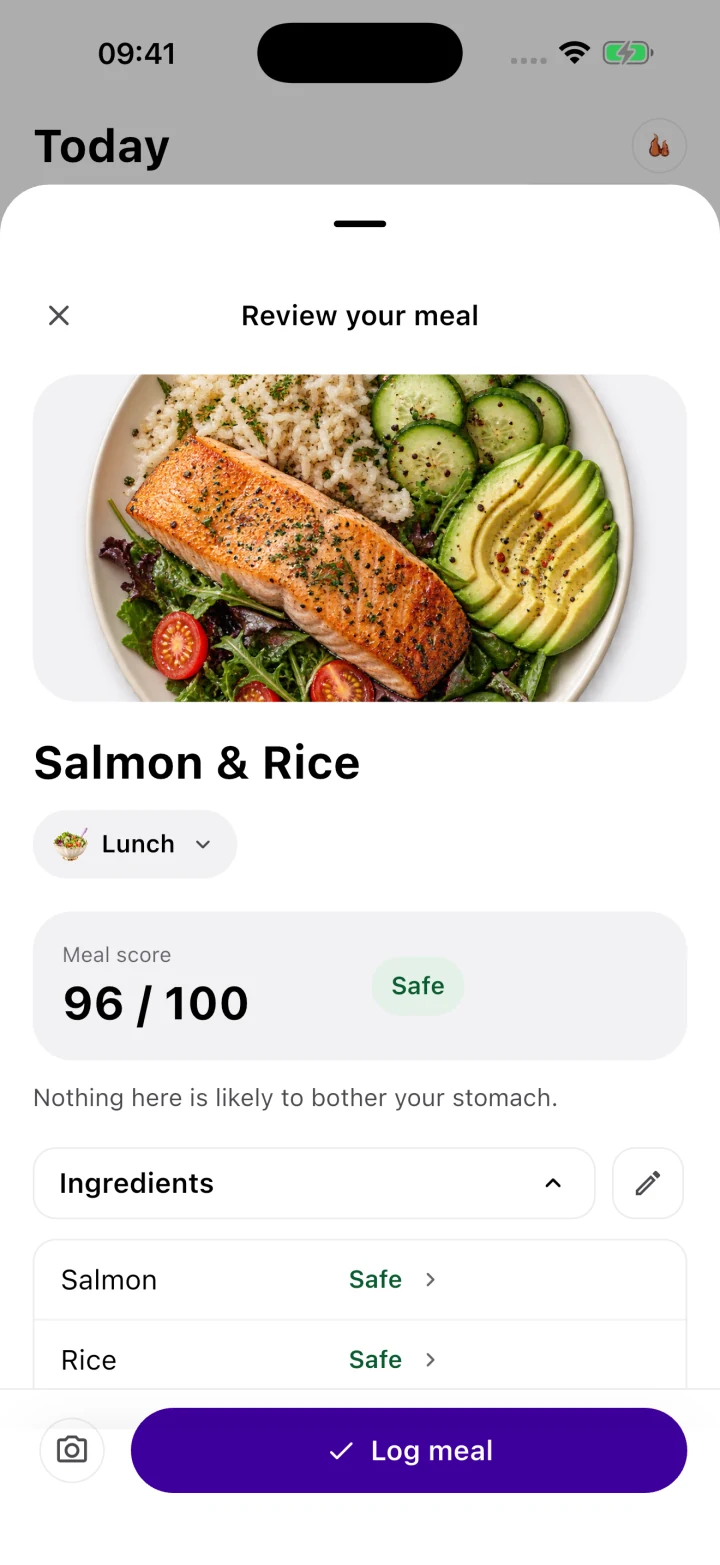
At Gutrack, we developed the Gastric Safety Index (GSI)—a 0 to 100 algorithmic scoring system that evaluates meals across key physiological vectors: titratable acidity (pH), lipid-induced CCK transit delay, proteolytic pepsin stimulation, mechanical shear stress (insoluble fiber/crusts), osmolarity, and capsaicin/methylxanthine irritants.
- Safe Zone (GSI 70–100): Low lipid load, pH > 5.0, rich in soluble colloidal polysaccharides (like beta-glucans), low mechanical friction. Empties predictably from the stomach within 90 to 150 minutes, keeping your sucralfate windows clean and preserving the mucosal bicarbonate barrier.
- Caution Zone (GSI 40–69): Moderate fat or acidic components that mildly delay gastric clearance (2.5 to 3.5 hours) or require careful portion control.
- High Risk Zone (GSI 0–39): High titratable acidity (pH < 4.0 that reactivates tissue-bound pepsin), high lipid content (> 20g fat per meal causing prolonged gastric stasis), or direct mucosal irritants (chlorogenic acids in coffee, ethanol, NSAID-like salicylates) that strip surface phospholipids and defeat pharmacological therapy.
| Meal / Food Item | GSI Score (0–100) | GSI Zone | Physiological Mechanism & Impact on Medication Timing |
|---|---|---|---|
| Warm Rolled Oats with Steamed Pear & Pea Protein Isolate | 92 / 100 | Safe | Rich in soluble beta-glucan fibers that form a soothing secondary hydrocolloid mucilage layer. Very low lipid content (< 3g) prevents CCK release, ensuring complete gastric emptying within 120 minutes so the midday sucralfate dose hits clean mucosa. |
| Poached Cod over White Jasmine Rice & Pureed Butternut Squash | 89 / 100 | Safe | Lean marine amino acids stimulate minimal gastrin release compared to red meat, while low-residue jasmine rice digests rapidly without mechanical abrasion. Neutral pH (~6.2) prevents reactivation of pepsin bound to mucosal lesions. |
| Plain Sourdough Toast with 2 Scrambled Eggs (Cooked in 1 tsp Olive Oil) | 64 / 100 | Caution | Moderate phospholipid and fat load (~15g total fat) slows pyloric clearance to roughly 3 hours. Patients eating this meal must push their next sucralfate dose back to at least 3 hours post-meal to avoid intraluminal protein binding. |
| Greek Yogurt Parfait with Raw Walnuts, Chia Seeds & Mixed Berries | 48 / 100 | Caution | Lactic and citric acids from yogurt and berries lower intragastric pH toward the 4.0 pepsin threshold, while dense dairy casein curds and walnut lipids delay emptying and aggressively compete with sucralfate for electrostatic binding sites. |
| Cold Brew Coffee with Oat Milk & a Croissant | 18 / 100 | High Risk | Chlorogenic acids and N-alkanoyl-5-hydroxytryptamides in coffee stimulate parietal cell acid secretion even against H2 blockade, while caffeine lowers LES pressure. Croissant laminated butter fat (~22g) stalls gastric emptying for 4+ hours. |
| Garlic-Tomato Marinara Pasta with Italian Sausage | 11 / 100 | High Risk | High titratable acidity (pH ~3.8) instantly activates residual pepsinogen; fructans and allicin in garlic trigger visceral hypersensitivity and LES relaxation; rendered animal fats trap acidic chyme in the antrum all night, overwhelming bedtime famotidine. |
Navigating Real-World Clinical Nuances & Side Effects
When taking omeprazole, famotidine, and sucralfate concurrently over several weeks—such as during recovery from an acute H. pylori eradication protocol, NSAID-induced gastric ulceration, or severe bile reflux gastritis—several physiological adaptations occur inside your digestive tract that require proactive management.
1. Managing Sucralfate-Induced Constipation Without Ruining Absorption
Because sucralfate is an aluminum hydroxide salt, its primary side effect (affecting up to 10% of patients) is slowed colonic transit and constipation. Aluminum ions inhibit smooth muscle contractility in the gastrointestinal tract.
Patients naturally reach for over-the-counter magnesium laxatives (such as magnesium oxide, magnesium citrate, or Milk of Magnesia) or bulk fiber supplements (psyllium husk) to fix the constipation. However, you must exercise strict timing caution:
- Antacids & Magnesium: Never take aluminum- or magnesium-containing antacids (like Maalox, Mylanta, Gaviscon, or Tums) within 30 to 60 minutes before or after sucralfate. Antacids neutralize the micro-acidic environment needed for sucralfate polymerization and alter surface electrostatic charges.
- Psyllium & Bulk Fibers: Do not take psyllium husk alongside omeprazole, famotidine, or sucralfate; the mucilaginous fiber traps the medications in the lumen. Instead, increase hydration between meals and utilize soluble food-based fibers during your high-GSI meal windows (such as cooked zucchini, peeled steamed apples, and pureed root vegetables), or discuss an osmotic agent like polyethylene glycol (Miralax) spaced 2 hours away from medications with your physician.
2. Nocturnal Acid Breakthrough (NAB) and Why Famotidine Is Added to Omeprazole
Patients frequently ask why a gastroenterologist would prescribe bedtime famotidine when they are already taking omeprazole every morning. Isn't omeprazole supposed to shut down acid for 24 hours?
In clinical reality, up to 70% of patients on once-daily (and even twice-daily) PPI therapy experience Nocturnal Acid Breakthrough (NAB)—defined on 24-hour ambulatory pH monitoring as intragastric pH dropping below 4.0 for more than one continuous hour overnight. Because proton pumps regenerate continuously and turnover accelerates overnight, newly synthesized pumps become active while you sleep, driven by a nocturnal surge in histamine release rather than meal-driven gastrin. Because omeprazole has a short plasma half-life (1 hour), the morning dose is long gone from your bloodstream by midnight. Adding famotidine at 9:30 PM specifically targets those basolateral $\text{H}_2$ receptors during the midnight histamine surge, bridging the nocturnal gap while the 10:30 PM sucralfate dose provides physical topical protection.
3. Rebound Acid Hypersecretion (RAHS) When Stopping Therapy
Once your gastric mucosa has healed—typically confirmed via symptom resolution over 4 to 8 weeks or repeat upper endoscopy—you cannot simply stop omeprazole cold turkey.
When omeprazole suppresses gastric acid over several weeks, the antral G-cells sense the high pH (lack of acid) and respond by secreting massive amounts of the hormone gastrin into the bloodstream (compensatory hypergastrinemia). Gastrin has a trophic (growth-stimulating) effect on the histamine-producing ECL cells and parietal cells, causing them to hypertrophy and proliferate.
If you abruptly stop taking omeprazole after 8 weeks, all of those expanded, hyper-stimulated ECL and parietal cells suddenly release a flood of histamine and hydrochloric acid simultaneously. This phenomenon, known as Rebound Acid Hypersecretion (RAHS), typically strikes 5 to 14 days after stopping a PPI and can last for weeks, convincing patients that their gastritis or ulcer has returned when they are actually experiencing pharmacological withdrawal.
The Clinical Step-Down Protocol:
Work with your prescribing gastroenterologist to taper off systematically. A standard physiological step-down uses your existing medications in reverse:
- Reduce omeprazole from daily to every-other-day (or step down from 40 mg to 20 mg) for 2 weeks while maintaining bedtime famotidine and targeted sucralfate before your lowest-GSI meal of the day.
- Discontinue omeprazole completely and transition to famotidine (20 mg morning and night) for 10 to 14 days to buffer the histamine surge from hyperplastic ECL cells.
- Taper famotidine to bedtime only, using sucralfate strictly as an on-demand topical shield during temporary dietary flares, before discontinuing all medications while maintaining a >75 GSI diet.
Why Standard Food Logging Fails—And How to Track Recovery Objectively
When you are juggling four daily doses of sucralfate, a morning PPI, a bedtime H2 blocker, and three carefully timed meals, trying to figure out why your stomach still burns on Tuesday afternoon feels impossible.
Most patients try to track their recovery using a basic notes app or a traditional calorie tracker. Within ten days, they hit the exact same wall: everything feels like a trigger. Yesterday you ate chicken and rice and felt fine; today you ate chicken and rice and experienced two hours of epigastric gnawing. Without realizing that today's meal was eaten only 20 minutes after your sucralfate dose (neutralizing the drug) or contained garlic powder and extra oil (dropping the meal's Gastric Safety Index from 88 down to 42 and delaying emptying by three hours), you falsely conclude that "even plain chicken hurts my stomach." This leads to severe food anxiety, unnecessary dietary restriction, and poor medication adherence.
How Gutrack Solves the Clinical Puzzle
We built Gutrack (available on iOS at gutrack.com) specifically for gastritis, GERD, and peptic ulcer recovery to eliminate guesswork and replace subjective frustration with clinical data:
- Instant 0–100 GSI Meal Scanning: Before you eat, scan or log your meal in Gutrack. The app immediately calculates the Gastric Safety Index (0–100), breaking down hidden lipid loads, titratable acidity risks, and mechanical irritants so you know instantly whether a meal will clear your stomach in 2 hours (keeping your next sucralfate window clean) or stall in your antrum for 5 hours.
- Medication vs. Meal Timeline Correlation: Log your omeprazole, famotidine, and sucralfate timestamps alongside your meals and symptom flares. Gutrack reveals whether a post-lunch flare was caused by the food itself or by a timing collision that inactivated your mucosal protectant.
- 14-Day Objective Clinical PDF Exports: Gastroenterologists have an average of 12 to 15 minutes during a follow-up consultation. Handing your doctor a messy notebook of random foods rarely changes your treatment plan. With Gutrack, you can export a clean, structured 14-Day Clinical Summary PDF that charts your average daily GSI scores, medication adherence windows, and symptom severity trends. Your gastroenterologist can immediately spot whether you are experiencing true refractory disease, nocturnal acid breakthrough, or simple meal-timing conflicts—allowing them to adjust your prescriptions with objective precision.
Frequently Asked Questions on Gastrointestinal Medications
Should I take sucralfate before or after omeprazole?
Always take omeprazole first, at least 30 minutes before taking your morning dose of sucralfate. Omeprazole must pass untouched through the stomach and absorb in the small intestine so it can reach your parietal cells via the bloodstream when you eat breakfast. If you take sucralfate first, its thick polyaluminum gel coats the stomach and upper duodenum, physically trapping the omeprazole granules and reducing systemic absorption by up to 30%.
Can you take Pepcid and sucralfate at the same time?
While emergency departments occasionally administer them together for acute pain, outpatient pharmacokinetics strongly favor separating famotidine (Pepcid) and sucralfate by at least 1 to 2 hours. Sucralfate’s aluminum hydroxide complex can adsorb H2 receptor antagonists inside the stomach lumen, lowering the peak bloodstream concentration of famotidine. In an evening routine, the cleanest approach is taking famotidine around 9:30 PM (at least 2 to 3 hours after dinner) and taking your final sucralfate dose right at bedtime (10:30 PM) so the famotidine has already absorbed and the sucralfate can coat your empty stomach undisturbed overnight.
Why must sucralfate be taken on an empty stomach?
Sucralfate must be taken 1 hour before meals or at least 2 hours after meals because its healing mechanism relies on electrostatic attraction to positively charged proteins. In an empty stomach, the only exposed positively charged proteins are the raw albumin and fibrinogen weeping from your ulcer crater or gastritis erosions. If food is present in the stomach, sucralfate binds indiscriminately to the chewed dietary proteins floating in your meal instead of adhering to your injured stomach lining.
What is the difference between an acid suppressor and a mucosal bandage?
Acid suppressors like omeprazole (PPI) and famotidine (H2 blocker) work systemically through the bloodstream to shut down acid secretion inside the stomach’s parietal cells, raising intragastric pH above the 4.0 threshold required to deactivate tissue-digesting pepsin. A mucosal bandage like sucralfate works topically inside the stomach cavity (less than 5% is absorbed into the blood); it polymerizes into
Self-tracking tool, not clinical diagnosis
Gutrack provides evidence-based Gastric Safety Index estimates for daily self-management and diet optimization. It does not replace medical consultation, endoscopy, or treatment prescribed by a qualified gastroenterologist.
Frequently asked questions
Should I take sucralfate before or after omeprazole?
Take omeprazole first, at least 30 minutes before taking sucralfate. If you take sucralfate first, its viscous polyaluminum gel coats the upper gastrointestinal tract and physically traps the omeprazole, reducing its systemic absorption by up to 30%.
Can you take Pepcid and sucralfate at the same time?
While some acute protocols allow simultaneous dosing, clinical pharmacokinetics favor separating famotidine (Pepcid) and sucralfate by at least 1 to 2 hours. Sucralfate's aluminum hydroxide complex can adsorb H2 receptor antagonists in the gastric lumen, lowering peak plasma concentrations of famotidine.
Why must sucralfate be taken on an empty stomach?
Sucralfate must be taken 1 hour before meals or 2 hours after meals because it binds indiscriminately to positively charged proteins. If food is present in the stomach, sucralfate binds to dietary proteins instead of the exposed albumin and fibrinogen in your ulcer bed or eroded gastric mucosa.
What is the difference between an acid suppressor and a mucosal bandage?
Acid suppressors like omeprazole and famotidine act systemically via the bloodstream to inhibit parietal cell secretion, raising intragastric pH above the 4.0 pepsin activation threshold. A mucosal bandage like sucralfate acts topically inside the stomach lumen, forming a physical polymer barrier over damaged tissue without altering systemic acid production.
For patients stepping down from PPIs who need supplemental protein, our gastritis-safe protein powder guide reviews absorption considerations with and without acid suppression therapy.
Clinical Evidence & Scientific References
- Marks IN. Sucralfate — safety and efficacy in peptic ulcer disease and gastritis. Scand J Gastroenterol Suppl. 1991;185:12-18.
- Scarpignato C, et al. Effective pharmacotherapy for acid-peptic disorders. BMC Med. 2016;14:179.
- National Institute for Health and Care Excellence (NICE). Gastro-oesophageal reflux disease and dyspepsia in adults: investigation and management. Clinical Guideline CG184. 2019.
This article is for educational purposes only and isn't a substitute for professional medical advice, diagnosis, or treatment. Gutrack is a self-tracking tool, not a medical device. If you're experiencing persistent or concerning symptoms, talk to a doctor.