Quick Answer for Hiatal Hernia Diet & Meal Timing: To prevent postprandial acid pocket reflux in a hiatal hernia, restrict individual meal volumes to under 350 milliliters, avoid dietary fats exceeding 10 grams per sitting to maintain rapid gastric emptying, eliminate carbonated beverages, and consume dense, soluble-fiber foods like colloidal oatmeal that physically absorb unbuffered surface acid.
When an upper gastrointestinal endoscopy confirms a sliding hiatal hernia, the clinical conversation often stops at a prescription for a proton pump inhibitor (PPI). While pharmacological acid suppression raises the intragastric pH, it does not address the underlying mechanical failure. A hiatal hernia is not a biochemical overproduction of stomach acid; it is an anatomical displacement of the gastroesophageal junction.
In a structurally intact digestive tract, reflux is prevented by a dual-valve mechanism. The intrinsic lower esophageal sphincter (LES)—a ring of smooth muscle at the base of the esophagus—works in tandem with the extrinsic crural diaphragm, a muscular sling that wraps around the outside of the esophagus at the diaphragmatic hiatus. When you inhale, cough, bend over, or strain, the crural diaphragm contracts tightly, pinching the esophagus shut to counteract the sudden spike in intra-abdominal pressure.
In a Type I (sliding) hiatal hernia, which accounts for over 90 percent of cases diagnosed via endoscopy or high-resolution manometry, the gastroesophageal junction and a portion of the upper stomach (the cardia and fundus) slide upward through the diaphragmatic hiatus into the chest cavity. This anatomical separation destroys the synergy of the dual-valve barrier. The intrinsic LES is displaced into the low-pressure thoracic cavity, while the extrinsic crural diaphragm is left pinching the body of the stomach below it.
Because this barrier is mechanically compromised, traditional gastroesophageal reflux disease (GERD) dietary advice—which focuses almost exclusively on avoiding "spicy" or "acidic" foods—frequently fails. For a patient with a hiatal hernia, drinking 500 milliliters of plain water on top of a healthy chicken salad can trigger severe regurgitation, even though the meal contains zero traditional chemical triggers. The reflux occurs because the physical volume of the meal distends the herniated gastric pouch, forces the weakened LES open, and drives stomach contents upward.
Managing a hiatal hernia without surgery requires shifting your nutritional strategy from simple chemical avoidance to gastric biomechanics. By controlling meal volume, accelerating gastric emptying, minimizing intragastric gas pressure, and neutralizing the postprandial "acid pocket," you can prevent the physical migration of gastric contents into the esophagus. At Gutrack, we evaluate meals against these exact mechanical and biochemical thresholds using the Gastric Safety Index (GSI), a 0–100 algorithmic scoring system designed to protect compromised mucosal and anatomical barriers.
The Biomechanics of the "Acid Pocket"
For decades, gastroenterologists assumed that ingested food thoroughly mixes with stomach acid, uniformly buffering the gastric contents to a relatively neutral pH of 4.0 to 5.0 immediately after a meal. However, dual-probe ambulatory pH-impedance monitoring and radionuclide scintigraphy have revealed a phenomenon known as the postprandial acid pocket.
When you consume a solid meal, the food bolus settles into the body and antrum of the stomach. Because the proximal stomach (the fundus) undergoes "receptive relaxation" to accommodate the meal without immediately initiating vigorous peristaltic contractions, very little mixing occurs at the top of the food column. Simultaneously, parietal cells lining the gastric glands are stimulated by gastrin, histamine, and vagal acetylcholine to secrete concentrated hydrochloric acid (HCl) and pepsinogen.
Because lipid- and protein-buffered chyme is denser than pure aqueous gastric juice, these newly secreted acids do not mix into the core of the meal. Instead, they migrate upward and pool on top of the food bolus, forming a distinct, unbuffered layer of highly corrosive gastric fluid directly beneath the lower esophageal sphincter.
The Physiological Profile of the Acid Pocket
- pH Concentration: While the core of a digested meal sits at a buffered pH of 4.5 to 5.5, the supernatant acid pocket maintains an unbuffered pH between 1.5 and 2.2.
- Pepsin Activity: At a pH below 4.0, pepsinogen is rapidly cleaved into active pepsin. At the pH of the acid pocket (1.5–2.2), pepsin operates at peak proteolytic activity, capable of digesting the intercellular junction proteins of the squamous esophageal epithelium upon contact.
- Onset and Duration: The acid pocket forms approximately 15 to 20 minutes after eating and persists for 90 to 120 minutes, lasting until the stomach empties a significant portion of the solid chyme into the duodenum.
How a Hiatal Hernia Weaponizes the Acid Pocket
In a healthy individual without a hernia, the acid pocket rests below the diaphragm, distal to a competent, high-pressure gastroesophageal junction. In a patient with a sliding hiatal hernia, the geometry changes dramatically.
As the stomach fills with food, the upward expansion pushes the acid pocket directly into the herniated gastric sac—the portion of the stomach trapped above the crural diaphragm inside the thoracic cavity. During inspiration (breathing in), intrathoracic pressure drops to roughly -5 to -8 mmHg, while intra-abdominal pressure rises to +6 to +10 mmHg. The crural diaphragm pinches the middle of the stomach, effectively trapping the acid pocket inside the supradiaphragmatic hernia pouch like liquid inside the bulb of a turkey baster.
Whenever a transient lower esophageal sphincter relaxation (TLESR) occurs—a normal vagally mediated reflex triggered by stomach stretching to allow trapped air to escape (belching)—there is no diaphragmatic pinch to back up the opening valve. The pressure gradient immediately siphons the pH 1.6 acid pocket across the relaxed LES and into the lower esophagus. Even patients taking high-dose PPIs experience this mechanical wash; while the fluid may have a higher pH (between 4.0 and 6.0), this weakly acidic refluxate still contains bile salts and minimally active pepsin, causing persistent chest pressure, globus sensation, and neurogenic cough.
Meal Volume vs. Caloric Density: The 350ml Rule
The primary mechanical driver of hiatal hernia symptoms is gastric fundic distension. The proximal stomach is densely innervated by mechanoreceptors (vagal tension and stretch receptors). When the volume of a meal stretches the gastric wall beyond a specific physiological threshold, three deleterious events occur simultaneously:
- Vagal Triggering of TLESRs: Mechanoreceptors send afferent signals via the vagus nerve to the brainstem (the nucleus tractus solitarius), which fires an efferent signal telling the lower esophageal sphincter to relax completely for 10 to 45 seconds. The greater the stretch, the higher the frequency of TLESRs during the 2-hour postprandial window.
- Mechanical Effacement of the LES: As the hernia sac balloons with food and liquid, it physically pulls the walls of the lower esophageal sphincter outward, shortening the functional length of the sphincter and reducing its basal resting pressure from a healthy 15–30 mmHg down to less than 10 mmHg.
- Cephalad Hernia Migration: A heavy, distended stomach fundus pushes upward through the weakened phrenoesophageal ligament, enlarging the sliding hernia from a minor 2 cm displacement to a 4 cm or 5 cm intrathoracic pouch during digestion.
The 350-Milliliter Bolus Threshold
Clinical barostat studies measuring intragastric pressure and TLESR frequency demonstrate that the human stomach handles volumes up to 350 milliliters (roughly 1.5 cups of total solid and liquid combined) with minimal mechanical strain on the gastroesophageal junction. Once a single meal exceeds 450 to 500 milliliters, the rate of transient sphincter relaxations and upward hernia migration increases exponentially.
This volumetric reality exposes a common pitfall in digestive nutrition. Patients attempting to eat "clean" often assemble massive, low-calorie meals—such as a large bowl of chopped romaine lettuce, raw cucumbers, fibrous broccoli, grilled chicken, and a 12-ounce glass of water. While nutritionally sound on paper, this meal occupies over 900 milliliters of physical space inside the stomach. The insoluble cellulose fibers require hours of mechanical grinding (trituration) in the gastric antrum, keeping the stomach stretched, trapping the acid pocket in the chest cavity, and generating continuous reflux for three to four hours.
Separating Liquids from Solids
To respect the 350ml volumetric ceiling without slipping into malnutrition or unintended weight loss, patients with a hiatal hernia must adopt a calorically dense, low-volume feeding architecture:
- The 5-Meal Micro-Bolus Schedule: Replace three standard meals (600–800ml each) with four to five compact meals capped strictly at 300 to 350 milliliters (roughly the size of a tightly closed fist).
- Hydro-Separation Protocol: Never consume more than 60 milliliters (2 ounces) of liquid during a solid meal. Liquid rapidly increases total intragastric volume, raises hydrostatic pressure against the LES, and dilutes digestive enzymes while floating the acid pocket higher toward the esophagus. Consume water and herbal infusions between meals—stopped 30 minutes prior to eating, and resumed 60 minutes after eating, when the liquid phase of gastric emptying is complete.
- Macronutrient Partitioning via CCK Control: While meals must be compact, you cannot rely on heavy dietary fats to pack in calories. When concentrated lipids enter the duodenum, enteroendocrine I-cells release cholecystokinin (CCK). CCK binds to vagal afferent receptors to slow down gastric peristalsis (delaying emptying) and directly causes a profound drop in basal LES resting pressure. Keep dietary fat to under 8 to 10 grams per micro-meal, deriving caloric density instead from easily hydrolyzed complex carbohydrates (white rice, peeled potatoes, rolled oats) and lean, low-connective-tissue proteins (steamed fish, egg whites, poultry breast).
GSI Hernia-Optimized Scoring Matrix
When logging meals inside the Gutrack iOS app, the Gastric Safety Index (GSI) evaluates every ingredient, preparation method, and portion size on a scale from 0 to 100.
For a patient managing a hiatal hernia alongside gastritis or GERD, the GSI algorithm weighs five core physiological vectors:
- Volumetric Expansion & Fermentation Potential: Does the food expand with liquid or produce hydrogen/methane gas that spikes intra-abdominal pressure?
- Lipid Transit Delay (CCK Load): Will the fat content paralyze gastric emptying and depress basal LES tone?
- Colloidal Acid Buffering: Does the food contain soluble fibers (like beta-glucans or pectins) capable of absorbing and gelatinizing the supernatant acid pocket?
- Titratable Acidity & Pepsin Activation: Is the intrinsic pH of the food below 4.0, which immediately reactivates dormant pepsin lingering in the esophageal mucosa?
- Mechanical Trituration Demand: How much physical grinding does the gastric antrum need to reduce the food to particles smaller than 2 millimeters so they can pass through the pyloric sphincter?
Understanding the GSI Zones
- Safe Zone (GSI 70–100): Low-volume, non-gassy, low-fat, pH-neutral foods that empty from the stomach within 60 to 90 minutes or physically sponge up the postprandial acid pocket.
- Caution Zone (GSI 40–69): Foods with moderate fiber bulk, moderate lipid density (10–15g fat), or mild fermentation potential that require strict portion caps (<250ml) and daytime consumption only.
- High Risk Zone (GSI 0–39): Mechanical distenders, carbonated fluids, high-fat LES relaxants, and acidic/chlorogenic triggers that guarantee acid pocket migration into the hernia sac.
| Meal / Food Item | Portion Size | GSI Score | Clinical Zone | Biochemical & Mechanical Mechanism in Hiatal Hernia |
|---|---|---|---|---|
| Warm Colloidal Rolled Oats with Peaches (Peeled, Cooked) | 250 ml (1 cup) | 94 / 100 | Safe (70–100) | High concentration of soluble beta-glucan fiber forms a viscous hydrophilic gel that physically absorbs the supernatant acid pocket, raising surface pH above the 4.0 pepsin activation threshold while emptying steadily. |
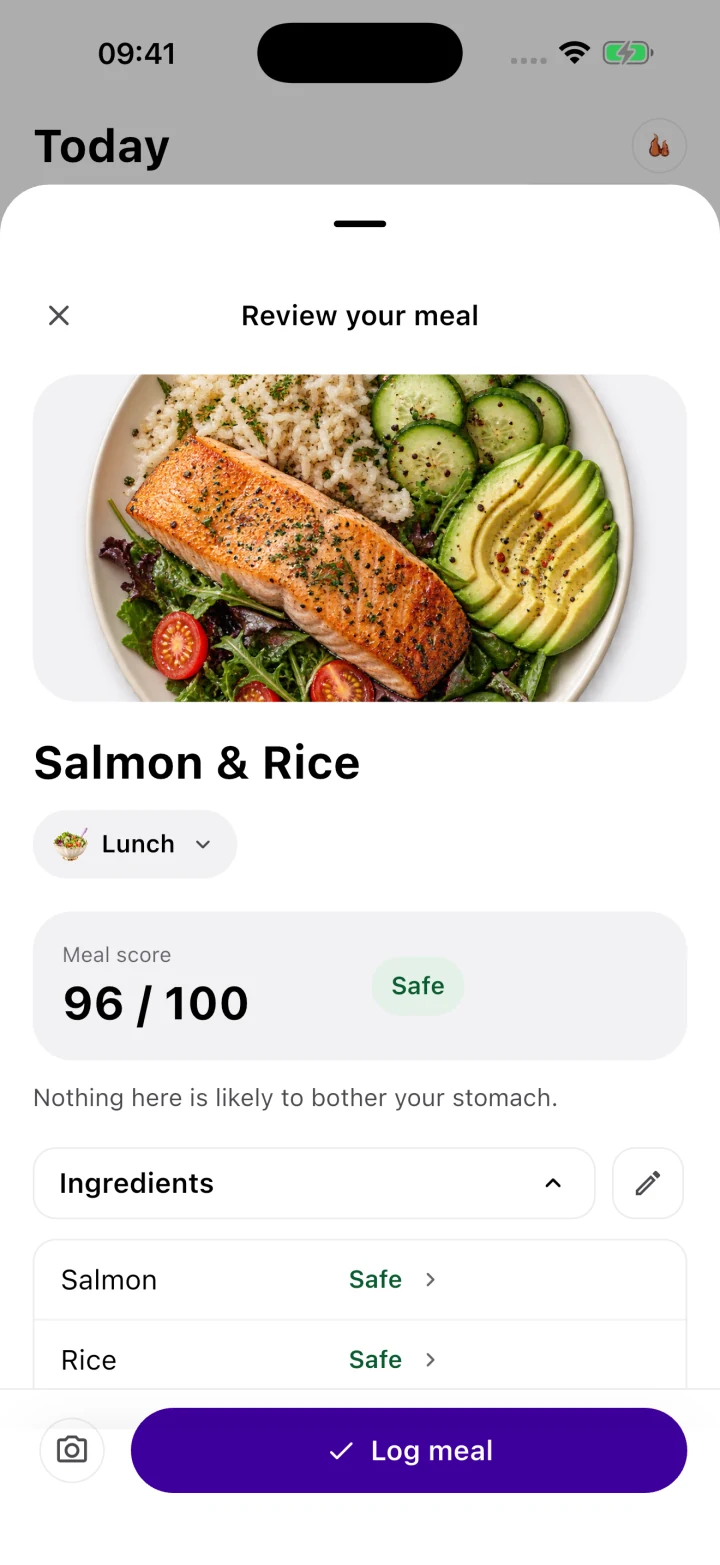
| Steamed Cod or Salmon Flakes over Jasmine Rice | 300 ml (1.25 cups) | 91 / 100 | Safe (70–100) | Low connective tissue in flaky fish requires minimal antral grinding; low-residue white rice digests rapidly in the small intestine without bacterial gas fermentation or fundic stretch. |
| Pureed Butternut Squash Soup with Poached Egg Whites | 300 ml (1.25 cups) | 88 / 100 | Safe (70–100) | Pre-blended mechanical state bypasses the lag phase of gastric trituration; zero lipid load from egg whites avoids CCK-induced LES relaxation while providing high-bioavailability albumin protein. |
| Baked Sweet Potato (Skin Removed) with 1 tsp Olive Oil | 220 ml | 82 / 100 | Safe (70–100) | Rich in soothing mucilaginous starch that coats the gastric cardia; minimal lipid addition (4.5g fat) stays strictly below the duodenal CCK threshold for delayed emptying. |
| Whole-Wheat Sourdough Toast with Mashed Avocado (Half) | 250 ml | 62 / 100 | Caution (40–69) | Monounsaturated fats (~11g) trigger moderate cholecystokinin release, slowing gastric half-emptying time by 30–45 minutes; sourdough fermentation reduces fructan gas load compared to yeast bread. |
| Lean Ground Turkey Patty with Steamed Broccoli Florets | 350 ml | 54 / 100 | Caution (40–69) | Cruciferous raffinose sugars in broccoli undergo bacterial fermentation, producing intraluminal gas that increases intra-abdominal pressure upwards against the diaphragmatic hiatus. |
| Large Raw Kale & Chickpea Salad with Vinaigrette | 650 ml (2.75 cups) | 28 / 100 | High Risk (0–39) | Massive volumetric load (>600ml) distends the gastric fundus and pushes the hernia sac into the thorax; insoluble cellulose and galacto-oligosaccharides delay emptying and cause severe gas bloating. |
| Sparkling Mineral Water or Club Soda with Lemon | 350 ml (12 oz) | 18 / 100 | High Risk (0–39) | Dissolved carbon dioxide gas rapidly comes out of solution at body temperature (37°C), distending the proximal stomach and provoking immediate vagally mediated TLESRs, while citric acid (pH 2.4) activates esophageal pepsin. |
| Black Coffee (Hot or Iced) on an Empty Stomach | 250 ml (8 oz) | 14 / 100 | High Risk (0–39) | Chlorogenic acids and caffeine stimulate parietal cell HCl hypersecretion while directly reducing basal LES pressure by up to 30%, creating an unbuffered acid pool inside the hernia pouch. |
| Pepperoni Pizza or Creamy Alfredo Pasta | 450 ml | 08 / 100 | High Risk (0–39) | High saturated fat (>28g) induces a prolonged 4-to-5-hour gastric stasis via CCK, while acidic tomato paste (pH 3.8) and high bolus volume trap a concentrated pH 1.5 acid pocket above the diaphragm all night. |
How to Use Soluble Colloids to "Sponge" the Acid Pocket
Look closely at the top-performing item in the matrix: Warm Colloidal Rolled Oats (GSI 94). In clinical gastroenterology, pharmaceutical alginate rafts (derived from brown seaweed) are frequently used after meals to form a physical foam barrier on top of the acid pocket. You can replicate a substantial portion of this mechanical protection through targeted food chemistry.
Foods rich in soluble viscous fibers—specifically beta-glucans found in well-cooked rolled oats and barley, pectins found in peeled cooked apples and peaches, and mucilage found in chia gel or marshmallow root—act as hydrophilic colloids. When consumed as part of a low-volume meal, these polysaccharides bind free water and unbuffered hydrogen ions ($H^+$) at the top of the gastric food column. Rather than allowing a watery, low-viscosity pool of pH 1.6 hydrochloric acid to slosh freely inside the hernia sac, soluble beta-glucans thicken the upper gastric layer, increasing its physical viscosity and buffering its pH closer to 4.5. Even if a minor TLESR occurs, a dense, cohesive mucilaginous gel is far less likely to retrograde up the esophagus than thin, watery gastric juice.
Intra-Abdominal Pressure (IAP) & Gas Dynamics
Because a hiatal hernia involves the movement of an organ between two pressurized body cavities—the positive-pressure peritoneal (abdominal) cavity and the negative-pressure thoracic (chest) cavity—any upward spike in intra-abdominal pressure (IAP) acts as a piston driving the stomach through the diaphragmatic hiatus.
While heavy lifting and obesity are well-documented external drivers of elevated IAP, internal pneumatic pressure generated by intraluminal gas is an equally potent, often overlooked daily trigger.
1. The Carbonation Trap
Every carbonated beverage—whether sugary soda, zero-calorie flavored sparkling water, kombucha, or beer—contains dissolved carbon dioxide ($CO_2$) under pressure. Once that liquid hits the 37°C (98.6°F) environment of the stomach and interacts with the uneven surface of the gastric rugae, the gas rapidly nucleates and expands. Consuming a single 330ml can of sparkling water releases up to 500 to 600 milliliters of free gas inside the stomach fundus.
This sudden pneumatic inflation stretches the hernia sac to its mechanical limit. To relieve the pressure, the vagus nerve initiates a cascade of TLESRs to vent the gas (belching). However, in a patient with a hiatal hernia, gas does not vent cleanly. Because the acid pocket is sitting directly inside the constricted hernia neck above the diaphragm, escaping gas bubbles churn through the acid layer, carrying micro-droplets of pH 1.8 acid and active pepsin upward into the esophagus, pharynx, and vocal cords (a process known as aerosolized laryngopharyngeal reflux).
2. Fermentable Carbohydrates and Ileocecal Back-Pressure
Dietary gas does not only originate in the stomach. When you consume high quantities of poorly absorbed, short-chain carbohydrates—such as fructans (garlic, onions, wheat), galacto-oligosaccharides (beans, lentils), or raffinose (raw cabbage, Brussels sprouts, broccoli)—these molecules pass undigested through the small intestine into the colon.
There, resident colonic bacteria rapidly ferment them, producing significant volumes of hydrogen, carbon dioxide, and methane gas. This colonic distension affects a hiatal hernia through two distinct mechanisms:
- Direct Diaphragmatic Crowding: The transverse colon runs horizontally across the upper abdomen, directly beneath the greater curvature of the stomach. When the transverse colon balloons with fermentation gas, it physically pushes the stomach upward against the left hemidiaphragm, preventing a sliding hernia from reducing (sliding back down) into its normal anatomical position.
- The Colonic Brake (Enterogastric Reflex): Distension of the distal ileum and proximal colon activates neurohormonal feedback loops—mediated by Peptide YY (PYY) and glucagon-like peptide-1 (GLP-1)—that slow down proximal gastric emptying. If your lower gut is bloated and distended, your stomach empties slower, prolonging the lifespan of the postprandial acid pocket.
Mechanical & Postural Protocols
Dietary modification handles the internal volume and chemistry of the stomach, but stabilizing a sliding hiatal hernia requires equal discipline regarding external biomechanics. Because gravity and trans-diaphragmatic pressure gradients dictate where the hernia sac sits, implementing strict postural protocols after eating prevents mechanical regurgitation.
1. The 4-Hour Evening Cutoff and Left-Lateral Sleeping
In a healthy person without a hernia, standard GERD guidelines recommend finishing dinner 2 to 3 hours before bed. In a patient with a documented hiatal hernia, 3 hours is frequently insufficient. Because the herniated stomach pouch has impaired peristaltic clearance and traps a small residual pool of acid even after the main stomach body empties, lying flat at the 2.5-hour mark allows gravity to spill the contents of the supradiaphragmatic pouch directly into the esophagus.
- The 4-Hour Rule: Complete your final solid micro-meal of the day at least 4 hours prior to lying recumbent. If you go to sleep at 10:30 PM, your final meal must conclude by 6:30 PM. You may sip small amounts (60–100ml) of plain water or chamomile tea up until 90 minutes before bed to assist esophageal clearance.
- Torso Incline (6 to 8 Inches): Elevating your head with two stacked pillows does not work; it merely flexes the neck while bending you at the thoracic waist, which actually increases intra-abdominal pressure on the stomach. You must elevate the entire head of the bed frame by 6 to 8 inches using bed risers, or sleep on a full-length biomechanical wedge pillow that starts at the lumbar spine.
- Left-Lateral Decubitus Positioning: Always initiate sleep on your left side. Anatomically, the stomach curves to the left. When you lie on your left side, the greater curvature of the stomach hangs down into the lower left quadrant of the abdomen, positioning the gastroesophageal junction and the hiatal hernia sac above the level of the gastric acid pool. Conversely, lying on your right side submerges the lower esophageal sphincter directly beneath the pool of gastric acid, causing longer, higher-volume nocturnal reflux episodes that suppress vagal tone and disrupt deep sleep architecture.
2. Eliminating the Postprandial "Waist Bend"
During the first 120 minutes after a meal—when the postprandial acid pocket is at its peak acidity and volume—never bend over at the waist to tie your shoes, pick up objects from the floor, load a dishwasher, or perform forward-fold exercises.
Flexing the torso past 45 degrees compresses the abdominal viscera against the anterior abdominal wall, spiking intra-abdominal pressure from a baseline of 5–7 mmHg to over 20–30 mmHg. This mechanical squeeze acts like stepping on a tube of toothpaste, forcing the herniated gastric pouch upward and overriding the resting pressure of the LES. If you must lower yourself to floor level within two hours of eating, keep your spine completely vertical and bend strictly at the knees and hips in a squat or lunge position.
3. Clothing Constriction and Belt Tension
Tight waistbands, structured denim, shapewear, and tightly cinched belts apply continuous extrinsic compression across the epigastrium. Clinical manometry studies confirm that wearing a tight belt around the waist increases intragastric pressure by 4 to 7 mmHg and causes the acid pocket to migrate 1 to 2 centimeters higher into the distal esophagus after a meal. Wear loose, elastic, or high-waisted unstructured clothing during and for three hours following meals.
4. Diaphragmatic Breathing (Crural Rehabilitation)
Because the crural diaphragm is consists of striated skeletal muscle (unlike the smooth muscle of the intrinsic LES), it can be targeted and strengthened through deliberate neuromuscular conditioning. Performing 10 minutes of slow diaphragmatic breathing prior to meals—or 90 minutes postprandially—Directly trains the crural sling:
- Sit upright in a chair with your shoulders relaxed and ribcage neutral.
- Place one hand on your upper sternum and the other on your upper abdomen just below the ribcage.
- Inhale slowly through your nose for a count of 4 seconds, directing the breath downward so that your lower ribcage expands laterally and your abdominal hand rises, while the chest hand remains completely still.
- Hold gently at peak inspiration for 2 seconds (feeling the crural diaphragm contract around the hiatus), then exhale slowly through pursed lips for 6 seconds without slumping your posture.
Clinical trials evaluating inspiratory muscle training in GERD and Type I sliding hiatal hernia patients demonstrate that regular diaphragmatic conditioning increases crural pinch pressure by 15 to 25 percent, reduces the frequency of TLESRs, and simultaneously stimulates the parasympathetic vagus nerve—which enhances coordinated gastric peristalsis and speeds up stomach emptying.
Documenting Flare Timing with Gutrack
When living with a hiatal hernia, the most demoralizing clinical hurdle is the illusion of randomness. A patient will eat a bowl of oatmeal with berries on Tuesday morning and feel completely fine. On Thursday evening, they eat the exact same bowl of oatmeal after a small dinner, lie down on the sofa an hour later, and suffer three hours of burning retrosternal pain and sour regurgitation.
When patients track their diet using basic notes apps or calorie counters, they blame the ingredient: "Oatmeal is now a trigger food." Over the course of six months, this false attribution leads to severe dietary restriction, food anxiety, and nutritional deficiencies, while the mechanical root cause—cumulative volumetric loading and recumbent timing—goes completely unnoticed.
Why Unscored Food Logging Fails in Hiatal Hernia
Standard food diaries fail because they record what you ate without calculating the physiological load of the meal or mapping it against the 120-minute postprandial acid pocket window. A gastroenterologist reviewing a handwritten list of "chicken, rice, broccoli, water, chest burn at 8 PM" cannot easily determine whether the symptom was driven by titratable acidity, CCK-mediated lipid stasis, intraluminal gas expansion, or a violation of the 350ml volumetric ceiling.
How Gutrack Quantifies Mechanical vs. Chemical Triggers
We built Gutrack (available on iOS) specifically to solve this clinical blind spot for patients managing gastritis, GERD, and hiatal hernias. Instead of leaving you to guess why a meal caused a flare, Gutrack runs every logged meal through the Gastric Safety Index (GSI) 0–100 algorithm:
- Instant Pre-Meal GSI Scanning: Before you eat, scan or log your plate in Gutrack. The app immediately outputs a 0–100 GSI score and breaks down the specific physiological risks—flagging if a meal exceeds the volumetric threshold for a hiatal hernia, contains hidden lipid triggers that delay emptying, or carries a low pH that will activate esophageal pepsin.
- Postprandial Timeline Mapping: When you log a symptom in Gutrack—whether it is epigastric fullness, belching, globus sensation, or acid regurgitation—the app automatically calculates the exact time elapsed since your last meal and liquid intake.
- Symptoms occurring 0 to 30 minutes post-meal point toward mechanical fundic distension (>350ml volume) and immediate TLESR triggering.
- Symptoms occurring 45 to 120 minutes post-meal point directly to unbuffered acid pocket migration and insufficient colloidal buffering.
- Symptoms occurring 3 to 5 hours post-meal or overnight point toward CCK-induced delayed gastric emptying from excess dietary fat or premature recumbency.
- The 14-Day Clinical PDF Export: When you attend a 15-minute consultation with your gastroenterologist or foregut surgeon, verbal summaries are rarely enough to guide advanced diagnostic decisions (such as ordering 24-hour pH-impedance testing, esophageal manometry, or evaluating candidacy for laparoscopic fundoplication or magnetic sphincter augmentation). Gutrack allows you to export a clean, objective 14-Day Clinical PDF Report. This report charts your daily average GSI scores, meal volumes, fasting windows before sleep, and symptom latency curves on a single medical-grade summary sheet—giving your physician hard data to distinguish between refractory chemical gastritis and mechanical hernia reflux.
A Sample 1-Day Hiatal Hernia Meal Schedule (GSI 85+ Average)
To translate these physiological rules into daily practice, here is a structured, five-meal micro-bolus protocol designed to deliver roughly 1,850 kcal and 85 grams of protein while keeping every individual sitting strictly at or below 325 milliliters and maintaining an average GSI score of 89 / 100.
07:30 AM — Meal 1: The Colloidal Acid Buffer
- Menu: 200ml warm rolled oats cooked in water or almond milk, topped with 50ml peeled, finely diced steamed peaches, 1 scoop (20g) pure unflavored collagen peptides or egg white protein powder stirred in, and a pinch of cinnamon.
- Total Bolus Volume: 275 ml
- Lipid Load: 3.5g fat
- GSI Score: 93 / 100 (Safe Zone)
- Clinical Rationale: Morning cortisol naturally elevates basal gastric acid secretion. The soluble beta-glucans in the oats sponge up resting fasting acid, while the hydrolyzed protein absorbs rapidly in the duodenum without requiring heavy mechanical grinding in the stomach.
- Hydration Window: Sip 250ml warm water or chamomile tea between 08:45 AM and 09:45 AM.
10:30 AM — Meal 2: Low-Residue Protein & Starch Micro-Meal
- Menu: 2 poached or soft-scrambled egg whites plus 1 whole egg, served alongside 150ml of soft-cooked white jasmine rice seasoned with a pinch of sea salt and dried dill.
- Total Bolus Volume: 260 ml
- Lipid Load: 5.0g fat
- GSI Score: 90 / 100 (Safe Zone)
- Clinical Rationale: Zero insoluble fiber means zero bacterial gas fermentation. The meal clears the gastric antrum in under 75 minutes, preventing mid-morning epigastric pressure while you sit upright at a desk.
- Hydration Window: Sip 300ml plain water between 11:30 AM and 12:30 PM.
01:15 PM — Meal 3: Midday Omega-3 & Pectin Support
- Menu: 120g steamed wild cod or flaking salmon filet, served over 150ml mashed peeled sweet potato and 50ml well-steamed, tender carrot coins.
- Total Bolus Volume: 320 ml
- Lipid Load: 6.5g fat
- GSI Score: 89 / 100 (Safe Zone)
- Clinical Rationale: Flaky fish muscle fibers disintegrate instantly upon contact with gastric juice, avoiding prolonged antral churning. Sweet potato starches provide mucosal protection and steady glucose delivery without triggering CCK-mediated sphincter relaxation.
- Hydration Window: Sip 300ml plain water or slippery elm infusion between 02:30 PM and 03:45 PM.
04:15 PM — Meal 4: Pre-Evening Viscosity Bridge
- Menu: 250ml blended butternut squash and bone broth soup, blended smooth with 60g silken tofu or shredded poached chicken breast for density.
- Total Bolus Volume: 280 ml
- Lipid Load: 4.0g fat
- GSI Score: 91 / 100 (Safe Zone)
- Clinical Rationale: Because this meal is pre-blended into a thick puree, it bypasses the gastric trituration lag phase entirely. It delivers substantial nutrition to prevent evening hunger so you are not tempted to overeat at dinner.
- Hydration Window: Sip 200ml water at 05:15 PM.
06:15 PM — Meal 5: Rapid-Clearance Evening Meal (4+ Hours Before Sleep)
- Menu: 110g tender poached poultry breast (finely sliced) or baked white fish, served with 150ml well-cooked white rice or peeled boiled potato drizzled with 1 teaspoon (4.5g) extra-virgin olive oil and fresh parsley.
- Total Bolus Volume: 300 ml
- Lipid Load: 7.0g fat
- GSI Score: 86 / 100 (Safe Zone)
- Clinical Rationale: Designed for rapid gastric emptying. By keeping fat under 8 grams and avoiding raw fibrous vegetables at night, the stomach is completely empty of solid chyme—and the postprandial acid pocket has fully dissipated—by 08:30 PM. When you lie down on an incline at 10:30 PM, the herniated gastric pouch is empty, dry, and decompressed.
Frequently Asked Questions on Hiatal Hernia Management
What is the postprandial acid pocket in hiatal hernia?
The postprandial acid pocket is an unbuffered layer of highly acidic gastric secretion (pH 1.5 to
Wondering about ACV as a hernia-friendly remedy? The apple cider vinegar evidence review shows why pH 2.5 acetic acid is counterproductive for an already-compromised LES.
Clinical Evidence & Scientific References
- Fletcher J, et al. Unbuffered highly acidic 'acid pocket' in the postprandial stomach: A key mechanism of reflux in hiatal hernia. Gastroenterology. 2001;121(4):775-783.
- Kahrilas PJ, et al. The acid pocket: a target for treatment in reflux disease? Am J Gastroenterol. 2013;108(7):1058-1064.
- Pandolfino JE, et al. High-resolution manometry in the assessment of sliding hiatal hernia and esophagogastric junction pressure. Am J Gastroenterol. 2006;101(4):713-722.
Self-tracking tool, not clinical diagnosis
Gutrack provides evidence-based Gastric Safety Index estimates for daily self-management and diet optimization. It does not replace medical consultation, endoscopy, or treatment prescribed by a qualified gastroenterologist.
Frequently asked questions
What is the postprandial acid pocket in hiatal hernia?
The postprandial acid pocket is an unbuffered layer of highly acidic gastric secretion (pH 1.5 to 2.2) that floats on top of ingested food 15 to 90 minutes after eating. In patients with a hiatal hernia, this acidic layer becomes trapped inside the herniated gastric pouch above the diaphragm, directly bathing the distal esophagus whenever the lower esophageal sphincter relaxes.
How does meal volume trigger acid reflux with a sliding hiatal hernia?
Consuming a meal volume exceeding 350 to 400 milliliters physically stretches the proximal stomach fundus. This mechanical distension activates vagal stretch receptors that trigger transient lower esophageal sphincter relaxations (TLESRs) while simultaneously pushing the sliding hernia sac higher into the low-pressure thoracic cavity.
What foods prevent intra-abdominal pressure spikes?
Low-fermentation, calorically dense, and non-carbonated foods with a Gastric Safety Index (GSI) score of 70 to 100 prevent intragastric gas expansion. Steamed white fish, egg whites, pureed winter squash, and cooked beta-glucan oats digest smoothly without generating colonic or gastric fermentation gases that push upward against the diaphragm.
How many hours after eating can a person with a hiatal hernia bend over or lie down?
Patients with a hiatal hernia must remain upright for a minimum of 3.5 to 4 hours after their final evening meal before lying flat. Furthermore, bending over at the waist should be avoided for at least 2 hours postprandially, as postural flexion spikes intra-abdominal pressure by more than 15 mmHg and forces herniated gastric contents past a weakened sphincter.
This article is for educational purposes only and isn't a substitute for professional medical advice, diagnosis, or treatment. Gutrack is a self-tracking tool, not a medical device. If you're experiencing persistent or concerning symptoms, talk to a doctor.