Gutrack
Quick Answer for Acid Reflux: GERD triggers divide into chemical relaxers that loosen the lower esophageal sphincter (coffee, peppermint, dark chocolate, alcohol), mechanical factors that force acid upwards (large meal portions, lying down within 3 hours, tight waistbands), and delayed gastric clearance from heavy fats.
The anatomy of reflux: Lower Esophageal Sphincter failure
Between your esophagus and stomach sits a muscular ring called the lower esophageal sphincter (LES). Under normal physiological conditions, the LES acts as a one-way pressure valve: it opens briefly to let food and liquid pass into the stomach, then clamps firmly shut to seal corrosive gastric juices inside.
In gastroesophageal reflux disease (GERD), this barrier fails through Transient Lower Esophageal Sphincter Relaxations (TLESRs). Acid, pepsin enzymes, and occasionally bile splash upward against the delicate esophageal mucosa, producing the signature sensation of pyrosis (heartburn).
Chemical triggers that relax the sphincter
Certain compounds act directly on smooth muscle tissue or neural receptors, weakening LES resting pressure within 30 to 60 minutes of ingestion:
- Methylxanthines (Coffee, Black Tea, Dark Chocolate): Theobromine and caffeine stimulate smooth muscle relaxation in the LES valve while simultaneously signaling stomach parietal cells to produce more hydrochloric acid.
- Menthol (Peppermint & Spearmint): Menthol is a potent antispasmodic. While beneficial for lower bowel spasms, in the upper GI tract it leaves the lower esophageal valve slack and open.
- Ethanol (Alcoholic Beverages): Alcohol impairs esophageal peristalsis (the downward muscular contractions that sweep acid back down) while directly lowering sphincter tone.
- High-Fat Emulsions: Large quantities of dairy fat, fried coatings, or marbled meats stimulate the hormone cholecystokinin (CCK), causing profound and prolonged LES relaxation.
Mechanical triggers: Pressure and volume
Even with an intact sphincter, excessive physical pressure inside the abdomen (intragastric pressure) will physically force acid upward:
- Over-sized meal volumes: A meal that overfills the stomach creates outward hydrostatic pressure against the esophageal junction. Two moderate meals cause substantially less reflux than one large feast.
- Postprandial recumbency (Lying down): Standing or sitting utilizes gravity to keep gastric juices in the stomach basin. Lying flat removes gravity entirely, letting acid pool directly across the esophageal junction.
- Abdominal compression: Tight belts, restrictive waistbands, or slouching forward compress the abdominal cavity and squeeze the stomach like a balloon.
The 3-hour rule and nocturnal reflux
Nighttime reflux is notoriously destructive because saliva production slows during sleep, and the unconscious body does not swallow frequently to clear acid from the esophagus. Furthermore, waking up coughing or choking at 3 AM severely disrupts sleep architecture and recovery.
To prevent nocturnal reflux:
- Allow at least 3 full hours between your last bite of food and your head hitting the pillow.
- Sleep on your left side. Anatomically, this positions the stomach below the esophagus, trapping gastric fluid safely away from the opening.
- Elevate the head of your bed by 6 inches (using bed risers or an angled wedge pillow, not stacked regular pillows which bend the neck and compress the stomach).
Silent Reflux (LPR) vs Classic GERD
Many patients experience severe reflux damage without ever feeling traditional heartburn. This condition is known as Laryngopharyngeal Reflux (LPR), or "silent reflux":
- In LPR, aerosolized droplets of pepsin and acid travel past the upper esophageal sphincter into the throat, vocal cords, and sinuses.
- Common symptoms include chronic throat clearing, a perpetual sensation of a lump in the throat (globus), hoarseness in the morning, and unexplained chronic dry coughing.
- Because chest burning is absent, LPR is frequently misdiagnosed as allergies or chronic post-nasal drip until a food and symptom diary is kept.
Reflux triggers vs gut-friendly alternatives
| Trigger Category | Common Reflux Trigger | Reflux-Safe Alternative |
|---|---|---|
| Morning Drink | TriggerBlack drip coffee or double espresso | AlternativeChicory root brew or warm oat milk with carob |
| Herbal Teas | TriggerStrong peppermint or spearmint tea | AlternativeChamomile, ginger, or slippery elm tea |
| Desserts | Trigger70% dark chocolate or mint ice cream | AlternativeBaked cinnamon apple slices or vanilla rice pudding |
| Cooking Fats | TriggerDeep-fried oils, heavy cream, lard | AlternativeLight drizzle of cold-pressed olive oil, baking |
Finding your personal postprandial lag time
One reason acid reflux feels unpredictable is the postprandial lag time. While a sip of red wine or hot chili sauce might trigger burning within minutes, a high-fat dinner might not cause reflux until 90 to 180 minutes later when the delayed stomach acid peaks during relaxation.
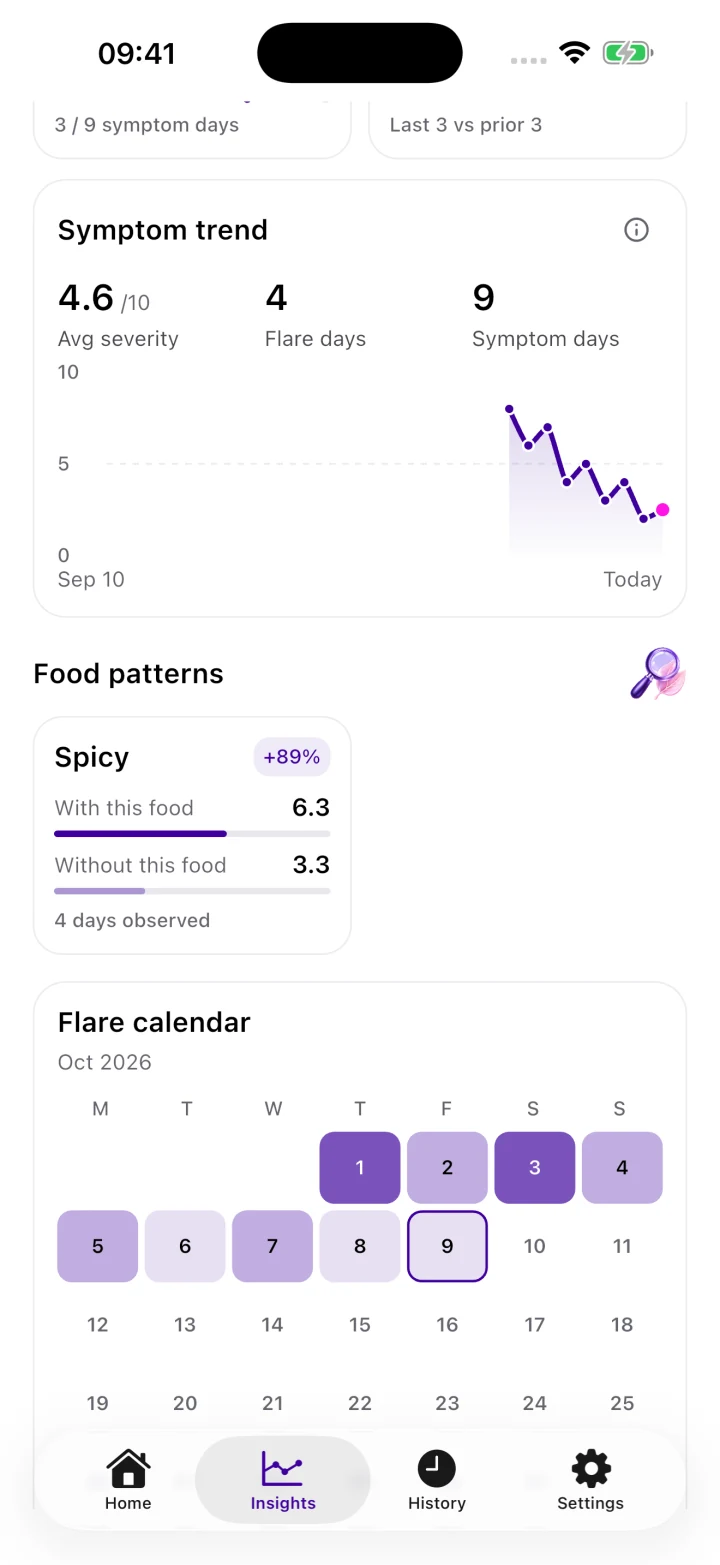
Logging your meals and correlating them against symptom onset windows enables you to separate true physiological triggers from false coincidences.
Red flag symptoms requiring immediate medical evaluation
If acid reflux is accompanied by difficulty or pain when swallowing (dysphagia), food feeling stuck in your chest, vomiting blood, black stools, or unexplained weight loss, consult a healthcare provider promptly. Severe, crushing chest pain radiating to the jaw or left arm should always be evaluated as an emergency to rule out cardiac causes.
Frequently asked questions
Why does coffee cause acid reflux even without caffeine?
Coffee contains chlorogenic acids and roast-derived components that stimulate gastrin and stomach acid secretion regardless of caffeine content. Furthermore, coffee compounds relax the lower esophageal sphincter, making reflux easy even on decaf.
How long should you wait to lie down after eating with GERD?
Clinical guidelines recommend waiting at least 3 full hours between your last meal and lying down or going to sleep. This allows the stomach time to complete the initial phase of gastric emptying and reduces nocturnal acid pooling.
Why does peppermint worsen acid reflux?
While peppermint is commonly used to soothe lower intestinal cramping, the menthol in peppermint relaxes smooth muscle tissue throughout the digestive tract, including the lower esophageal sphincter (LES). This allows acidic stomach contents to escape upwards into the esophagus.
What is the difference between classic GERD and silent reflux (LPR)?
Classic GERD presents with retrosternal heartburn and acid regurgitation. Silent reflux (Laryngopharyngeal Reflux or LPR) occurs when acid and pepsin reach the throat and larynx, causing chronic throat clearing, persistent cough, vocal hoarseness, or globus sensation without typical chest burning.
Can sleeping on your left side prevent acid reflux?
Yes. Anatomically, sleeping on your left side keeps the gastroesophageal junction above the pool of gastric acid in the stomach. Sleeping on your right side or flat on your back allows acid to pool directly against the lower esophageal sphincter.
Sources & background reading
- NIDDK (NIH): Gastritis & Gastropathy
- NIDDK (NIH): Acid Reflux (GER & GERD) in Adults
- Gutrack: how the Gastric Safety Index is built
Background sources for causes, symptoms and treatment. Individual food tolerance varies; example scores are not a diagnosis. See our editorial standards.
This article is for educational purposes only and isn't a substitute for professional medical advice, diagnosis, or treatment. Gutrack is a self-tracking tool, not a medical device. If you're experiencing persistent or concerning symptoms, talk to a doctor.