Quick Answer for Safe Seasonings & Spices for Gastritis: Safe seasonings for gastritis include non-pungent leafy herbs like fresh basil, thyme, oregano, rosemary, and parsley, along with mild roots such as peeled fresh ginger (under 1g) and culinary turmeric. Avoid black pepper, chili powder, and garlic or onion powders, which trigger TRPV1 pain receptors and lower esophageal sphincter relaxations.
Introduction: Escaping the Trap of Flavorless Boiled Chicken and Rice
When a gastroenterologist delivers a diagnosis of acute or chronic gastritis—whether confirmed via upper endoscopy showing mucosal erythema, subepithelial hemorrhages, or histological evidence of Helicobacter pylori colonization—the standard nutritional advice given at discharge is almost universally identical: "Eat a bland diet."
For millions of patients navigating gastritis, gastroesophageal reflux disease (GERD), or peptic ulcer recovery, this directive translates into months of plain poached chicken breast, steamed white rice, and unseasoned boiled potatoes. While stripping away culinary irritants successfully lowers immediate nociceptive signaling in the stomach, prolonged adherence to an unpalatable, monolithic diet carries severe clinical downsides.
First, sensory-specific satiety and palate fatigue rapidly set in. When meals become a chore devoid of olfactory or gustatory pleasure, caloric intake frequently drops, leading to unintended weight loss, micronutrient deficiencies, and heightened food anxiety. Second, the cephalic phase of digestion—which accounts for roughly 20% to 30% of total postprandial gastric and pancreatic secretion—relies heavily on the aroma and taste of food to prime the digestive tract with salivary amylase, lingual lipase, and regulated biliary output. Without aromatic cues, enzymatic priming lags, often resulting in a sensation of postprandial fullness and delayed transit.
The clinical reality is that "bland" does not mean "unseasoned." In gastroenterology, a "bland" diet specifically refers to food that is chemically, mechanically, and thermally non-irritating to the compromised gastric mucosa. It means avoiding compounds that erode the mucus-bicarbonate barrier, hyper-stimulate parietal cells to pump out hydrochloric acid, or depolarize exposed nerve endings in the lamina propria.
The problem many patients face when attempting to reintroduce flavor is that traditional food diaries fail to separate safe aromatic compounds from hidden chemical irritants. A patient logs "seasoned chicken with herbs" and experiences a three-hour epigastric flare. Because standard food logs lack biochemical resolution, the patient concludes that all herbs are triggers, retreating back to plain white rice. In reality, that "herb blend" likely contained hidden black pepper (piperine), dehydrated garlic powder (concentrated fructans and allicin), or citric acid—which drops local pH below the pepsin activation threshold of 4.0.
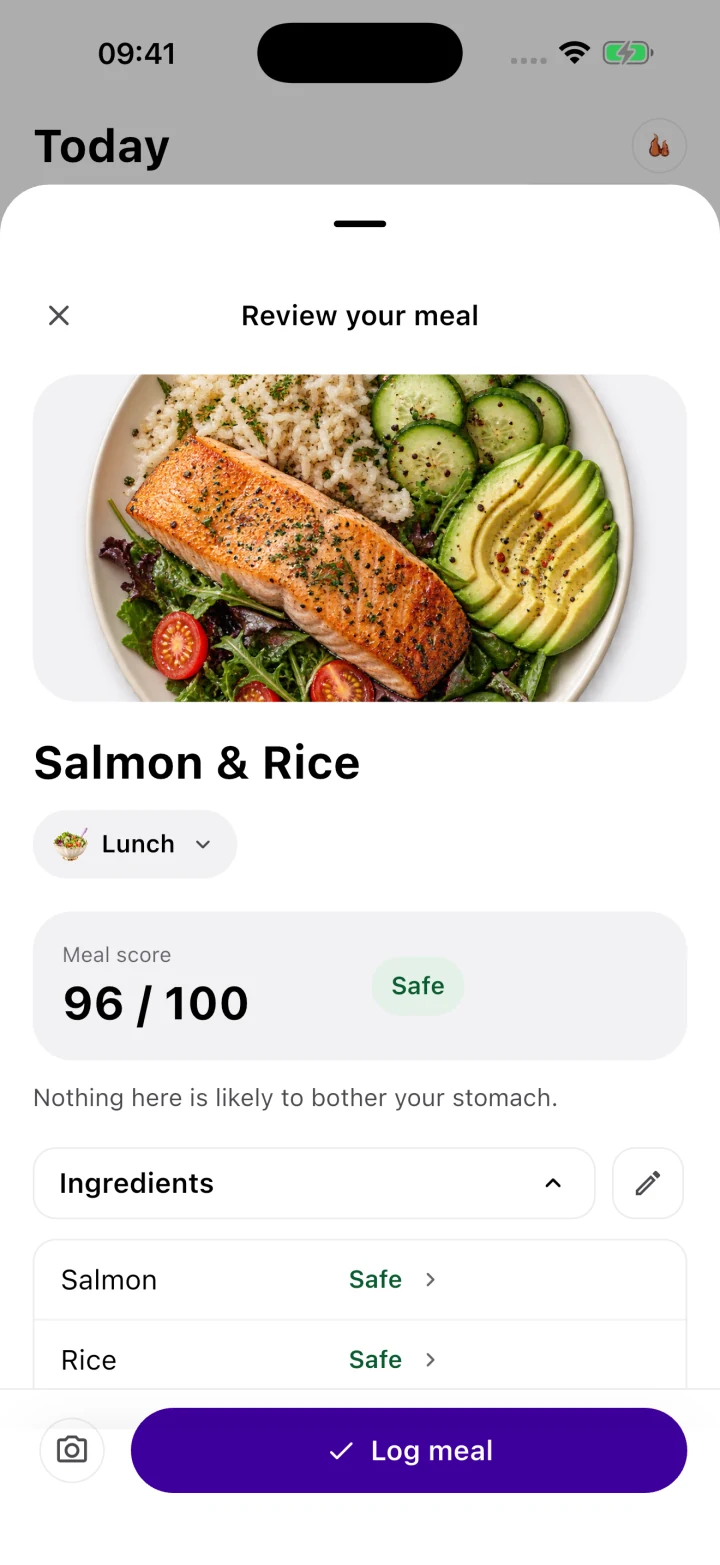
At Gutrack, we resolve this clinical ambiguity through the Gastric Safety Index (GSI), a proprietary 0–100 algorithmic scoring system that evaluates meals and ingredients based on their biochemical, mechanical, and physiological impact on the upper gastrointestinal tract:
- Safe Zone (GSI 70–100): Gentle on the gastric mucosa, supports steady gastric emptying, maintains lower esophageal sphincter (LES) basal tone, and avoids nociceptor activation.
- Caution Zone (GSI 40–69): Dose-dependent tolerance. Safe during histological remission or in micro-doses, but capable of provoking symptoms if consumed in concentrated forms or on an empty stomach.
- High Risk Zone (GSI 0–39): Potent chemical irritants, high titratable acidity, or smooth-muscle relaxants that reliably trigger mucosal inflammation, acid reflux, or visceral pain.
By understanding the exact molecular mechanisms of spices, herbs, and aromatics, you can abandon the boiled chicken trap and build deeply savory, satisfying meals that actively support mucosal restitution.
Why Classic Spices Burn: The Biochemistry of Mucosal Irritation
To season food safely, you must first understand why classic culinary spices trigger pain in a stomach with gastritis. When the gastric mucosa is healthy, a thick, viscoelastic layer of mucin glycoproteins—secreted by surface foveolar cells and buffered by bicarbonate ions ($\text{HCO}_3^-$)—maintains a neutral pH of roughly 7.0 directly at the epithelial surface, even when luminal gastric acid sits at a corrosive pH of 1.5 to 2.0.
In gastritis, whether induced by NSAID usage, bile reflux, autoimmune parietal cell destruction, or H. pylori urease and cytotoxin activity, this mucus-bicarbonate barrier becomes thin and discontinuous. Tight junctions between epithelial cells loosen, increasing paracellular permeability. Consequently, sensory nerve fibers (specifically unmyelinated C-fibers and thinly myelinated A$\delta$-fibers) located in the submucosa and lamina propria sit dangerously close to the luminal contents.
When you consume traditional pungent spices, you do not necessarily "burn a hole" in your stomach; rather, specific phytochemicals cross the thinned mucus barrier and bind directly to chemoreceptors on these exposed nerve endings, while simultaneously altering gastric motility and sphincter pressures.
1. Capsaicin and TRPV1 Nociceptor Depolarization (Chili, Cayenne, Paprika)
Chili peppers, cayenne, red pepper flakes, and most commercial paprikas owe their heat to capsaicinoids, primarily capsaicin ($8\text{-methyl-}N\text{-vanillyl-}6\text{-nonenamide}$). Capsaicin is a highly lipophilic vanilloid compound.
When capsaicin enters a compromised stomach, it diffuses rapidly through the lipid bilayers of epithelial cells and binds directly to the Transient Receptor Potential Vanilloid 1 (TRPV1) ion channel on visceral afferent nerves. TRPV1 is the exact polymodal nociceptor engineered to detect noxious physical heat (temperatures exceeding $43^\circ\text{C}$ / $109.4^\circ\text{F}$) and severe acidosis (protons / $\text{H}^+$ ions at $\text{pH} < 5.9$).
When capsaicin locks onto the TRPV1 receptor, it forces the ion channel open, triggering an immediate influx of calcium ($\text{Ca}^{2+}$) and sodium ($\text{Na}^+$) ions into the neuron. This depolarizes the nerve fiber, sending an action potential up the vagus and splanchnic nerves to the central nervous system that your brain interprets as acute thermal burning and cramping pain. Furthermore, TRPV1 activation triggers the local release of pro-inflammatory neuropeptides, including Substance P and Calcitonin Gene-Related Peptide (CGRP). This induces neurogenic inflammation: local vasodilation, plasma extravasation (swelling), and mast cell degranulation, which releases histamine and further stimulates parietal cells to secrete hydrochloric acid. For a patient with active gastritis, any capsaicin-bearing spice lands squarely in the High Risk Zone (GSI 05–18).
2. Piperine and Mucosal Exfoliation (Black, White, and Green Peppercorns)
Black pepper (Piper nigrum) is the single most pervasive hidden trigger in western and Asian cooking. Its primary active alkaloid, piperine, shares structural and functional similarities with capsaicin. Piperine is a potent agonist of both the TRPV1 receptor and the TRPA1 (Transient Receptor Potential Ankyrin 1) channel, which mediates mechanical hyperalgesia and chemical irritation.
Beyond receptor activation, clinical gastroscopic studies demonstrate that direct mucosal administration of black pepper causes measurable parietal cell stimulation, a spike in pepsin secretion, and microscopic mucosal micro-bleeding and epithelial exfoliation equivalent to low-dose aspirin exposure.
Furthermore, piperine inhibits hepatic and intestinal cytochrome P450 (specifically CYP3A4) enzymes and P-glycoprotein efflux pumps. While supplement manufacturers exploit this mechanism to increase the bioavailability of compounds like curcumin, in the stomach lining, piperine increases paracellular permeability by altering the lipid dynamics of the cell membrane, allowing luminal acid and activated pepsin to back-diffuse into the delicate lamina propria. Even a pinch of freshly cracked black pepper drops a meal's score significantly (GSI 15).
3. Allicin, Fructans, and LES Relaxation (Raw Garlic, Onion, and Powders)
Members of the Allium genus—garlic, onions, shallots, and leeks—present a dual physiological threat to patients with overlapping gastritis and GERD:
- Direct Chemical Irritation (Allicin): When raw garlic or onion cells are crushed or chopped, the vacuolar enzyme alliinase converts odorless alliin into allicin (diallyl thiosulfinate) and various oil-soluble organosulfur compounds (such as diallyl disulfide). These sulfur compounds are potent activators of both TRPA1 and TRPV1 channels, causing direct chemical burning on eroded gastric tissue and triggering transient lower esophageal sphincter relaxations (TLESRs) by lowering the resting basal tone of the LES smooth muscle.
- Osmotic and Fermentative Pressure (Fructans): Garlic and onions are among the most concentrated dietary sources of fructans—oligosaccharide polymers of fructose chains that the human small intestine cannot hydrolyze because we lack the enzymes to break beta-fructose-fructose bonds. While fructans do not ferment in the sterile, acidic environment of the stomach, their rapid fermentation by colonic and distal ileal bacteria produces substantial volumes of hydrogen ($\text{H}_2$), carbon dioxide ($\text{CO}_2$), and methane ($\text{CH}_4$) gas. This luminal distension activates mechanoreceptors in the gut wall, triggering an enterogastric reflex that slows gastric emptying and increases intra-abdominal pressure, physically forcing gastric acid and pepsin upward against the lower esophageal sphincter.
Dehydrated garlic powder (GSI 18) and onion powder (GSI 22) are particularly problematic because removing water concentrates both the fructans and the sulfur precursors by a factor of 8 to 10 by weight.
4. High-Acid Seasonings and the Pepsin Threshold (Citrus Zests, Vinegars, Sumac)
Many seasoning blends rely on dry acids—such as citric acid, lemon pepper, dehydrated lime powder, or vinegar powders—to brighten flavor. In the pathophysiology of gastritis and laryngopharyngeal reflux (LPR), acidity is governed by two factors: pH (logarithmic concentration of free hydrogen ions) and titratable acidity (the total amount of alkali required to neutralize the acid).
The primary proteolytic enzyme of the stomach, pepsin, is secreted by chief cells as an inactive zymogen called pepsinogen. Pepsinogen requires an acidic environment below pH 4.0 to cleave itself into active pepsin, and achieves maximal proteolytic activity between pH 1.5 and 2.5. When active pepsin contacts unprotected epithelial cells (whether in an eroded gastric antrum or refluxed into the esophagus), it digests structural cellular proteins, causing tissue necrosis.
When you season food with citric acid or vinegar (pH 2.4 to 3.2), you not only introduce direct hydrogen ions that stimulate acid-sensing ion channels (ASICs) on submucosal nerves, but you also immediately reactivate tissue-bound pepsin residing in the upper GI tract.
The Anti-Inflammatory Safe Herb Palette: Terpenes, Rosmarinic Acid, and Mucosal Protection
Transitioning away from alkaloids and concentrated alliums does not condemn your cooking to blandness. The culinary world offers an extensive palette of leafy herbs—predominantly from the Lamiaceae (mint/deadnettle) and Apiaceae (umbellifer) botanical families—that impart complex aromatic profiles without activating TRPV1 or TRPA1 channels.
Even more compellingly, the volatile essential oils and polyphenolic compounds found in these green herbs actively promote gastric mucosal defense through distinct biochemical pathways: upregulating endogenous prostaglandin $\text{E}_2$ ($\text{PGE}_2$) synthesis, scavenging reactive oxygen species (ROS) generated by infiltrating neutrophils, and mildly relaxing spasmodic gastrointestinal smooth muscle.
1. Sweet Basil (Ocimum basilicum) — GSI 96 (Fresh) / 90 (Dried)
Sweet basil is arguably the safest, most versatile herb for acute gastritis. Its aromatic profile is driven by linalool, eugenol, and cineole, accompanied by high concentrations of rosmarinic acid.
In gastric physiology, eugenol and rosmarinic acid demonstrate gastroprotective effects by stimulating mucosal cyclooxygenase-1 (COX-1) activity to maintain healthy baseline levels of $\text{PGE}_2$. Prostaglandin $\text{E}_2$ is the master regulator of gastric defense: it binds to EP3 receptors on parietal cells to inhibit cAMP-dependent hydrochloric acid secretion, while simultaneously binding to EP4 receptors on surface mucus cells to stimulate thick mucin and bicarbonate release. Fresh basil leaves blended into olive oil or torn over warm proteins provide immediate aromatic lift with zero nociceptive risk.
2. Thyme (Thymus vulgaris) and Oregano (Origanum vulgare) — GSI 92 / 89
Thyme and oregano owe their woody, savory depth to the monoterpene phenols thymol and carvacrol. In clinical microbiology and mucosal histology studies, thymol and carvacrol exhibit targeted antimicrobial activity against Helicobacter pylori by disrupting the bacterium's outer membrane integrity and inhibiting its urease enzyme—the very enzyme H. pylori uses to create an ammonia cloud to survive stomach acid.
At culinary doses (0.5 to 2 teaspoons of fresh leaves or 0.25 to 0.5 teaspoons of dried leaves per meal), thyme and oregano reduce pro-inflammatory cytokines such as Interleukin-8 (IL-8) and Tumor Necrosis Factor-alpha (TNF-$\alpha$) in the gastric mucosa while increasing endogenous antioxidant enzymes like superoxide dismutase (SOD) and glutathione peroxidase.
Clinical Nuance: Always use whole culinary leaves (fresh or dried) rather than concentrated "oil of oregano" capsules. Undiluted essential oil of oregano contains upwards of 70% carvacrol, which acts as a caustic chemical irritant to eroded epithelium (GSI 15), whereas culinary oregano leaves release carvacrol slowly within the food matrix (GSI 89).
3. Rosemary (Rosmarinus officinalis) — GSI 91
Rosemary contains potent phenolic diterpenes, notably carnosic acid and carnosol, alongside rosmarinic acid. These compounds inhibit lipid peroxidation in gastric epithelial cell membranes, protecting the delicate phospholipid bilayer from oxidative damage induced by bile acid reflux or NSAID exposure.
Because whole rosemary needles are fibrous and woody, they can present a minor mechanical irritation risk if swallowed whole during an acute erosive flare, as the gastric antrum must grind solid particles down to less than 2 millimeters before the pyloric sphincter will permit them to empty into the duodenum. To maximize the GSI score of rosemary:
- Infuse whole fresh sprigs into warm cooking liquids, broths, or olive oil, and remove the woody stems before eating (GSI 95).
- If using directly in food, mince fresh leaves ultra-fine or use finely ground dried rosemary powder (GSI 91).
4. Flat-Leaf Italian Parsley (Petroselinum crispum) and Cilantro (Coriandrum sativum) — GSI 95 / 93
Members of the Apiaceae family—parsley, cilantro, dill (GSI 94), and chervil (GSI 95)—are extraordinarily gentle on the upper GI tract. They contain high levels of the flavonoid apigenin and chlorophyll. Apigenin has been shown in experimental ulcer models to suppress gastrin secretion from G-cells in the gastric antrum and reduce histamine release from enterochromaffin-like (ECL) cells, thereby dampening the primary signaling cascade that drives parietal cell acid output.
Fresh parsley and cilantro provide the bright, grassy top notes that patients typically miss when they have to eliminate lemon juice and vinegar. Finely chopped and added at the very end of cooking, they stimulate olfactory receptors without altering the pH or titratable acidity of the meal.
5. Sage (Salvia officinalis) and Bay Laurel (Laurus nobilis) — GSI 90 / 94
When building savory depth for poultry, root vegetables, or rice pilafs, fresh or dried sage and whole bay leaves provide rich, earthy bass notes. Bay leaves release eugenol, myrcene, and parthenolide into simmering liquids, which exhibit mild antispasmodic effects on the muscularis propria of the stomach, reducing visceral hypersensitivity and functional dyspepsia symptoms. Just remember to remove whole bay leaves prior to serving, as their rigid cellulose structure resists gastric proteolysis.
(Note on Peppermint and Spearmint: While mint belongs to the same botanical family as basil and thyme, peppermint (Mentha piperita) scores poorly (GSI 34) for patients with concurrent GERD or hiatal hernias. High concentrations of menthol block calcium channels in smooth muscle cells, causing profound relaxation of the lower esophageal sphincter and allowing gastric contents to reflux effortlessly into the esophagus.)
The Nuance of Healing Roots: Dosing Ginger and Turmeric
In the wellness sphere, ginger and turmeric are universally praised as "gut-healing superfoods." However, in clinical gastroenterology practice, we routinely see patients who trigger severe epigastric flares by taking concentrated ginger shots or high-dose turmeric-black-pepper capsules on an empty stomach.
With rhizomes and roots, the dose, preparation method, and accompanying food matrix determine whether the compound acts as a mucosal healer or a chemical irritant.
1. Ginger (Zingiber officinale): Fresh vs. Dried, Gingerols vs. Shogaols
Ginger is one of the most thoroughly studied botanicals in gastroenterology. Its bioactive profile is dominated by phenolic compounds called gingerols (primarily 6-gingerol) and shogaols.
Physiologically, fresh ginger acts as a natural prokinetic agent. Randomized controlled trials utilizing gastric scintigraphy and ultrasonography demonstrate that ginger accelerates gastric emptying and stimulates antral contractions. It achieves this through two mechanisms:
- Cholinergic Agonism: Weakly stimulating muscarinic $\text{M}_3$ receptors on gastric smooth muscle to coordinate peristaltic waves toward the pylorus.
- $\text{5-HT}_3$ Receptor Antagonism: Blocking serotonin $\text{5-HT}_3$ receptors on vagal afferent terminals and in the chemoreceptor trigger zone, which simultaneously abolishes nausea, reduces visceral pain signaling, and prevents gastric dysrhythmias (such as tachygastria).
Because delayed gastric emptying (gastroparesis or functional dyspepsia) causes food and acid to stagnate in the stomach—prolonging mechanical distension and acid exposure—accelerating transit with ginger is highly beneficial.
However, there is a critical biochemical catch: Gingerols are weak agonists of the TRPV1 pain receptor. When fresh ginger is dehydrated or exposed to intense, prolonged heat to make dried ginger powder, gingerols undergo a dehydration chemical reaction that converts them into shogaols (primarily 6-shogaol). Shogaols are roughly twice as pungent as gingerols and bind to TRPV1 nociceptors with significantly higher affinity.
Therefore, clinical dosing rules for ginger in gastritis are strict:
- Fresh Peeled Ginger Root (under 1.0 gram / ~0.5 teaspoon grated, or 2–3 thin coins steeped in water): GSI 85 (Safe Zone). Provides prokinetic and anti-nausea benefits without crossing the threshold for TRPV1 pain depolarization.
- Dried Ground Ginger Powder (over 0.5 teaspoon): GSI 48 (Caution Zone). Higher shogaol concentration can provoke a warm or burning sensation in an eroded gastric antrum.
- Concentrated Cold-Pressed Ginger Shots (often mixed with lemon juice and cayenne): GSI 14 (High Risk Zone). Delivers an overwhelming bolus of gingerols and citric acid directly onto unprotected mucosa, causing immediate epigastric spasms.
2. Turmeric (Curcuma longa): Culinary Root vs. Curcumin Extracts
Turmeric contains curcuminoids (principally curcumin), which exert well-documented anti-inflammatory activity by inhibiting the transcription factor Nuclear Factor kappa B (NF-$\kappa$B), downregulating COX-2 and inducible nitric oxide synthase (iNOS), and suppressing H. pylori-induced mucosal inflammation.
When used as a culinary spice—roughly 0.25 to 0.5 teaspoons (0.5 to 1.5 grams) of pure ground turmeric root or fresh grated turmeric rhizome cooked into a meal containing healthy fats (such as olive oil or avocado oil) and proteins—turmeric scores GSI 76 (Safe Zone). Curcumin is lipophilic; dissolving it in a small amount of monounsaturated fat buffers its contact with the stomach wall and facilitates gentle micellar absorption in the small intestine.
Why, then, do turmeric supplements cause so many stomach flares?
- The Piperine Trap: Because curcumin has poor native bioavailability, 90% of commercial turmeric supplements add 5 mg to 20 mg of BioPerine (concentrated 95% piperine black pepper extract). As established earlier, piperine is a potent TRPV1 agonist and mucosal exfoliant. Taking a curcumin-piperine capsule on an empty stomach is biochemically equivalent to swallowing concentrated black pepper straight onto your gastritis lesions (GSI 22).
- High-Dose Unbuffered Powder: Swallowing 1,000 mg to 2,000 mg of isolated curcuminoids in a dry capsule creates a localized hyper-concentrated bolus when the gelatin shell dissolves in the stomach fundus, which can irritate exposed submucosal nerves and transiently reduce gallbladder volume via cholecystokinin (CCK) stimulation, occasionally triggering bile reflux in susceptible individuals.
3. Sweet & Earthy Umbellifer Seeds: Fennel, Caraway, and Coriander
If you crave warm, complex, spice-cabinet flavors that mimic traditional curry or sausage seasonings without any capsaicin or piperine, turn to the seeds of the Apiaceae family:
- Fennel Seeds (Foeniculum vulgare) — GSI 90: Rich in anethole, a phenylpropene compound that is structurally similar to dopamine and exerts potent antispasmodic relaxation on gastric and intestinal smooth muscle without causing pathological LES hypotension when used in culinary amounts. Crushed fennel seeds give ground turkey or chicken the unmistakable savory flavor of Italian sausage without a speck of black or red pepper.
- Coriander Seeds (Coriandrum sativum) — GSI 88: Contains linalool and pinene, delivering a warm, nutty, subtly citrusy aroma (despite having zero citric acid and a neutral pH). Ground coriander forms a brilliant base for gastritis-safe rubs.
- Caraway Seeds (Carum carvi) — GSI 89: Contains carvone and limonene. In European gastroenterology, caraway oil (often paired with enteric-coated formulations) is a first-line clinical therapy for functional dyspepsia, shown in clinical trials to reduce postprandial epigastric pressure and fullness.
- Cumin (Cuminum cyminum) — GSI 64 (Caution Zone): While cumin contains cuminaldehyde and supports pancreatic enzyme secretion, it is slightly more stimulating to gastric acid output than coriander or fennel. Most gastritis patients tolerate 0.25 teaspoons of ground cumin cooked into a meal during the recovery phase, but should prioritize coriander and fennel during an acute erosive flare.
GSI Seasoning & Herb Matrix: Complete Clinical Reference
When patients attempt to manage gastritis without objective scoring, they are forced to guess why a meal caused pain. Was it the protein? The cooking method? Or a hidden alkaloid in the seasoning blend?
By evaluating seasonings through the Gastric Safety Index (GSI), we can categorize exactly how individual herbs, spices, and condiments interact with your stomach lining, pepsin thresholds, and lower esophageal sphincter tone.
| Seasoning / Spice / Condiment | GSI Score (0–100) | Clinical Zone | Primary Physiological & Biochemical Mechanism |
|---|---|---|---|
| Fresh Sweet Basil, Parsley, Cilantro, Dill | 93–96 | Safe | Rich in rosmarinic acid and apigenin; upregulates mucosal PGE2 synthesis; zero TRPV1/TRPA1 activation; neutral pH. |
| Fresh or Dried Thyme, Oregano, Sage, Rosemary | 89–92 | Safe | Thymol, carvacrol, and carnosic acid inhibit H. pylori urease and suppress mucosal IL-8 and TNF-alpha without irritating epithelium. |
| Fennel Seeds & Caraway Seeds (Crushed/Ground) | 89–90 | Safe | Anethole and carvone act as gentle smooth-muscle antispasmodics, relieving antral spasms and functional dyspepsia pressure. |
| Coriander Seed (Ground) | 88 | Safe | Linalool-dominant volatile profile imparts warm, citrus-like aromatic notes at a neutral pH without citric acid or pepsin activation. |
| Nutritional Yeast (Unfortified or Fortified) | 86 | Safe | Provides natural free L-glutamate (umami) that stimulates cephalic digestive priming and salivary bicarbonate without lowering LES tone. |
| Fresh Ginger Root (Peeled, < 1g / ½ tsp grated) | 85 | Safe | 6-gingerol acts as a 5-HT3 antagonist and M3 agonist, accelerating gastric emptying by 15–25% at sub-nociceptive concentrations. |
| Garlic-Infused Extra Virgin Olive Oil (1 tbsp) | 84 | Safe | Lipid extraction captures fat-soluble aromatic volatiles while excluding water-soluble fructans and raw allicin; low CCK transit delay at 1 tbsp. |
| Fresh Chives & Green Scallion Tops (Green part only) | 82 | Safe | Provides mild allium aroma with negligible fructan content and minimal thiosulfinate irritation compared to white bulbs. |
| Coconut Aminos (1 tsp to 1 tbsp) | 80 | Safe | Naturally fermented sap with milder sodium load than soy sauce, near-neutral pH (5.5–6.0) above the pH 4.0 pepsin activation threshold. |
| Fine Sea Salt / Kosher Salt (Moderation: < 500mg/meal) | 78 | Safe | Essential for electrolyte balance and palatability; safe in culinary doses, though hyperosmolar high-salt boluses (>2g/meal) degrade mucus viscosity. |
| Culinary Turmeric Powder (¼ to ½ tsp cooked in fat) | 76 | Safe | Curcuminoids downregulate NF-kB inflammatory cascades; lipid matrix buffers mucosal contact and supports duodenal absorption. |
| Ceylon Cinnamon (True Cinnamon, ¼ tsp) | 74 | Safe | Contains cinnamaldehyde with ultra-low coumarin levels; mild cytoprotective properties when buffered in oatmeal or beta-glucan matrices. |
| Ground Cumin (¼ tsp cooked) | 64 | Caution | Cuminaldehyde stimulates enzymatic and mild biliary secretion; tolerated in healing phases but can cause mild warmth during acute erosions. |
| Sumac (Ground Berry, ½ tsp) | 58 | Caution | Contains organic malic and citric acids that provide tartness; significantly gentler than liquid lemon juice (pH 2.2), but monitor in severe LPR. |
| Soy Sauce / Tamari (1 tbsp) | 52 | Caution | High osmolarity, elevated free histamine/tyramine from fermentation, and slightly acidic pH (4.7–5.0) can provoke sensitive antral mucosa. |
| Dried Ginger Powder (> ½ tsp) | 48 | Caution | Dehydration converts gingerols into 6-shogaol, doubling TRPV1 receptor binding affinity and increasing risk of epigastric warmth. |
| Peppermint Leaf / Peppermint Extract | 34 | High Risk | Menthol blocks smooth-muscle calcium channels, inducing lower esophageal sphincter (LES) relaxation and triggering acid reflux. |
| Curcumin / Turmeric Supplement with Piperine | 22 | High Risk | Concentrated piperine (black pepper extract) exfoliates gastric epithelium, increases paracellular permeability, and activates TRPV1 pain fibers. |
| Garlic Powder & Onion Powder | 18–22 | High Risk | 8–10x concentrated fructans drive colonic gas distension and enterogastric slowing, while sulfur compounds trigger TLESRs and TRPA1 pain. |
| Black Pepper & White Pepper (Cracked or Ground) | 15 | High Risk | Piperine directly stimulates parietal cell acid output, increases pepsin secretion, and depolarizes TRPV1/TRPA1 nociceptors. |
| Fresh Lemon/Lime Juice & Apple Cider Vinegar | 12 | High Risk | High titratable acidity and low pH (2.0–3.1) instantly convert inactive pepsinogen into proteolytic pepsin, eroding unprotected tissue. |
| Cayenne, Chili Powder, Red Pepper Flakes, Hot Curry | 05–10 | High Risk | Capsaicin locks open TRPV1 ion channels, triggering massive calcium influx, acute visceral burning, and Substance P neurogenic inflammation. |
Why Tracking the Whole Meal Matrix Matters
Look closely at the table above: Ceylon Cinnamon scores 74 (Safe) when stirred into warm rolled oats, yet if you sprinkled that exact same cinnamon onto sliced Granny Smith apples with walnuts on an empty stomach, the overall meal score would plummet into the Caution or High Risk zone. Why? Because oats provide soluble beta-glucan fiber that forms a soothing colloidal hydrocolloid gel over the stomach lining, buffering the cinnamaldehyde, whereas raw apples introduce malic acid and insoluble pectin fibers that require aggressive mechanical grinding in the antrum.
This is why traditional list-based food diaries fail gastritis patients. When you write down "ate cinnamon oatmeal, felt great" on Monday, and "ate cinnamon apple bake, had heartburn" on Tuesday, it becomes impossible to isolate the true culprit without an algorithmic evaluation of the entire meal matrix.
With the Gutrack iOS app, you do not have to memorize biochemical pathways or guess why a spice blend backfired. You simply scan or log your meal, and Gutrack instantly calculates the 0–100 Gastric Safety Index (GSI) for the complete dish—accounting for how your seasonings interact with the meal's lipid load, titratable acidity, fiber viscosity, and protein density. Over 14 days, Gutrack compiles your scores and symptom timeline into an objective, clinical-grade PDF report that you can hand directly to your gastroenterologist, replacing vague food anxiety with actionable physiological data.
The Salt & Sodium Paradox in Mucosal Histology
No discussion of seasoning for gastritis is complete without addressing sodium chloride (table salt, sea salt, kosher salt). Patients often receive conflicting advice regarding salt: some blogs claim salt should be eliminated entirely, while others recommend electrolyte solutions.
From a histological and pathophysiological standpoint, sodium chloride operates on a strict biphasic dose-response curve in the stomach:
- Hyperosmolar Bolus Toxicity (> 2,500 mg sodium in a single sitting): When you consume heavily salted cured meats, commercial ramen packets, or heavily salted snack foods, the luminal fluid in your stomach becomes intensely hyperosmolar. High osmotic pressure draws intracellular water out of surface foveolar epithelial cells, causing cellular shrinkage and temporary disruption of the overlying mucus gel layer. Epidemiological and endoscopic studies clearly show that chronic, heavy intake of salt-preserved foods accelerates mucosal atrophy and synergizes with H. pylori by upregulating the expression of the bacterial CagA (cytotoxin-associated gene A) virulence factor.
- Physiological Culinary Dosing (300 mg to 500 mg sodium per meal / ~⅛ to ¼ teaspoon of fine sea salt): At normal culinary levels dissolved uniformly throughout cooked food, salt does not induce hyperosmolar mucosal damage. In fact, sodium ions ($\text{Na}^+$)
Self-tracking tool, not clinical diagnosis
Gutrack provides evidence-based Gastric Safety Index estimates for daily self-management and diet optimization. It does not replace medical consultation, endoscopy, or treatment prescribed by a qualified gastroenterologist.
Frequently asked questions
What spices can you eat with gastritis without pain?
Patients with active gastritis can safely consume fresh and dried leafy herbs including basil, thyme, rosemary, oregano, dill, and flat-leaf parsley, which score between 88 and 96 on the Gastric Safety Index (GSI). Fine sea salt (up to 1,500 mg daily) and culinary doses of caraway, fennel seed, and pure vanilla bean also impart flavor without stimulating gastric acid secretion or irritating the mucosa.
Is turmeric safe or harmful for stomach ulcers?
Culinary turmeric in doses of 0.5 to 1.0 gram per meal is generally safe (GSI 76) and exhibits mild anti-inflammatory properties by inhibiting NF-kB pathways in the gastric lining. However, high-dose curcumin supplements (over 500 mg of concentrated extract, especially those formulated with piperine/black pepper extract) score poorly (GSI 28) and frequently cause epigastric burning and mucosal irritation.
How to cook without onion and garlic for acid reflux?
Replace raw or powdered onion and garlic with garlic-infused extra virgin olive oil (GSI 84), where fat-soluble aromatic volatile compounds are retained while water-soluble fructans are removed. You can also use the green tops of scallions or fresh chives (GSI 82), paired with roasted fennel bulb (GSI 89) and nutritional yeast (GSI 86) to build a savory base without triggering lower esophageal sphincter relaxations.
Can fresh ginger soothe gastritis or does it cause heartburn?
Fresh peeled ginger root in controlled amounts of 0.5 to 1.0 gram per serving (steeped or finely grated) scores 85 on the GSI and acts as a natural prokinetic, accelerating gastric emptying by 15% to 25%. Conversely, dried ginger powder exceeds 4 grams or concentrated ginger shots (GSI 42) contain dense concentrations of shogaols, which are twice as pungent as fresh gingerols and can provoke epigastric burning.
Looking for protein sources that won't irritate healing mucosa? Our protein powder guide for gastritis ranks whey isolate, collagen peptides, and plant-based options by GSI score.
Clinical Evidence & Scientific References
- Kang JY. The effect of spices and chili on stomach acid and gastric mucosal integrity. Aliment Pharmacol Ther. 1992;6(6):677-688.
- Al Mofleh IA. Spices, lifestyle and gastric mucosal defense. World J Gastroenterol. 2010;16(22):2733-2740.
- Haniadka R, et al. A review of the gastroprotective effects of ginger (Zingiber officinale Roscoe). Food Funct. 2013;4(6):845-855.
This article is for educational purposes only and isn't a substitute for professional medical advice, diagnosis, or treatment. Gutrack is a self-tracking tool, not a medical device. If you're experiencing persistent or concerning symptoms, talk to a doctor.